How to Remove Nail Glue Safely: Easy Step-by-Step Methods
If you have ever used press-on nails, fake nails, or nail tips, you probably know how strong nail glue can be. It can keep your nails in place for days, but when it is time to take them off, that same strong bond can become frustrating.
The good news is that learning how to remove nail glue does not have to be difficult. With the right method, you can loosen the glue without unnecessarily damaging your natural nails or irritating the skin around them.
Whether you have glue left on your natural nails, skin, or underneath a press-on nail, there are several ways to deal with it. The best method depends on where the glue is and how much adhesive is present.
In this guide, we will look at how to get nail glue off, when to use acetone, when warm soapy water is enough, how to remove glue from your skin, and what you should avoid doing.
Important: Never forcefully pull bonded skin or aggressively scrape adhesive from your nails. Cyanoacrylate adhesives can irritate the skin, and pulling bonded areas apart can cause injury.
What Is Nail Glue?
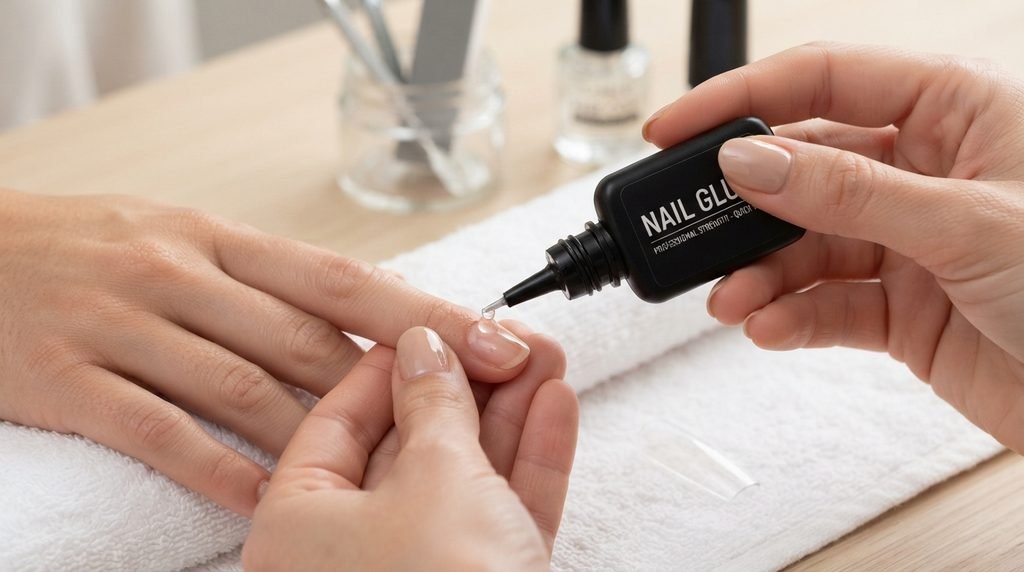
Most artificial nail adhesives contain a type of fast-setting adhesive called cyanoacrylate. This is the same general type of adhesive found in many instant glues.
Nail glue works quickly because cyanoacrylate reacts with moisture and forms a strong bond. That is why a small amount of glue can hold a press-on nail firmly against your natural nail.
The strength is useful when you are wearing artificial nails, but it also means you need to be patient when removing them.
Instead of trying to rip the nail off, the goal is to soften or loosen the adhesive gradually.
How to Remove Nail Glue From Natural Nails
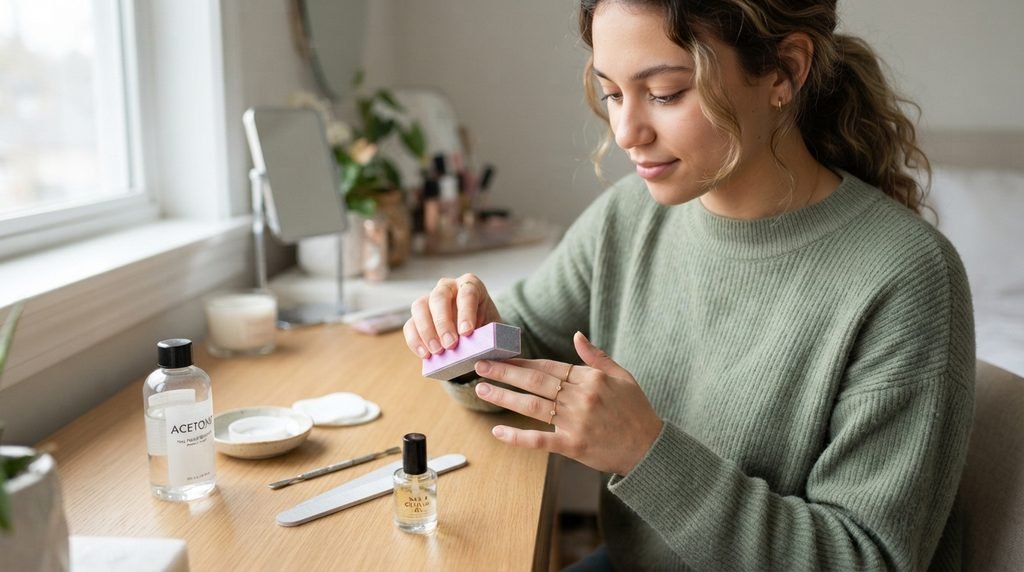
If you have removed your fake nails but still have adhesive stuck to your natural nails, don’t panic.
You do not necessarily need to scrape every tiny piece away immediately. A gentle removal process is much better than aggressively filing or picking at the nail.
What You Need
Depending on the method you choose, you may need:
- Warm water
- Mild soap
- Acetone
- Cotton pads
- Petroleum jelly
- A soft nail buffer
- Cuticle oil
- Hand moisturizer
- A small bowl
If you are using acetone, work in a well-ventilated area and avoid unnecessary contact with your surrounding skin. Acetone can dry and irritate skin and may make nails brittle with repeated exposure.
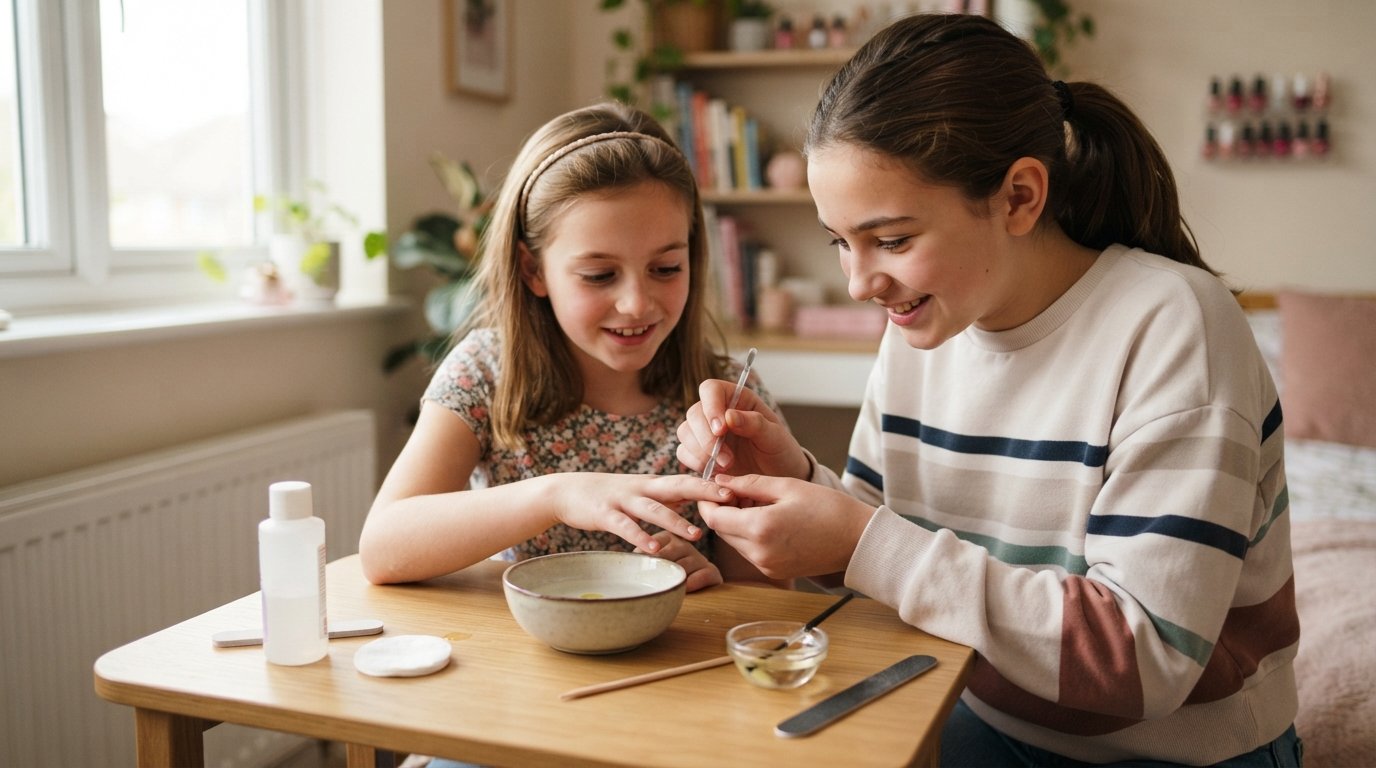
Method 1: Remove Nail Glue With Warm Soapy Water
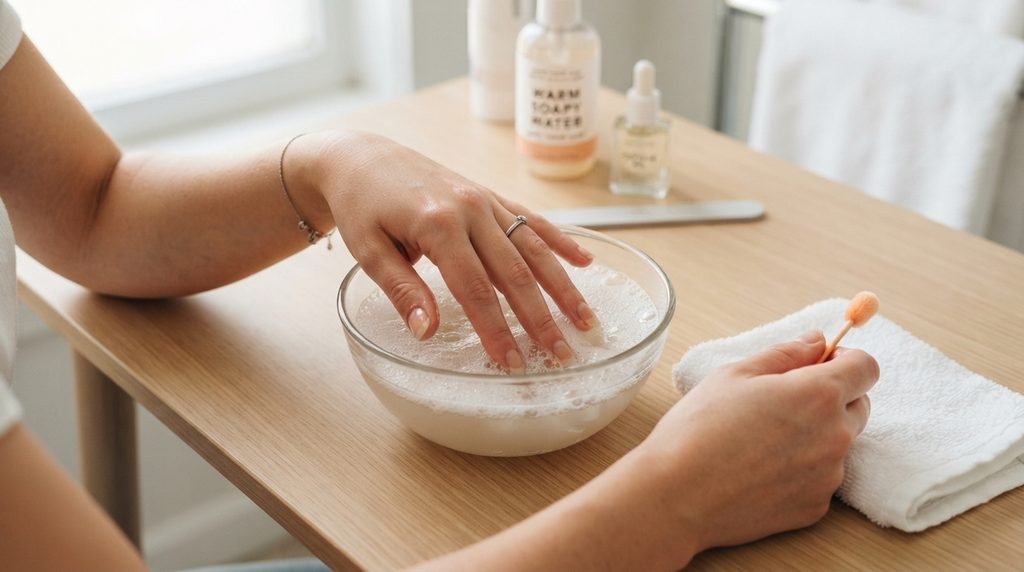
If the glue is already starting to loosen, try the gentlest method first.
Step 1: Prepare Warm Water
Fill a small bowl with comfortably warm water.
Add a little mild soap and mix it well.
The water should be warm, not extremely hot.
Step 2: Soak Your Fingertips
Place your fingertips in the water for around 10 to 15 minutes.
The goal is to give the adhesive time to soften.
If the glue still feels hard, you can soak for longer rather than trying to force it off.
Warm soapy water can gradually loosen some cyanoacrylate adhesive.
Step 3: Gently Rub the Glue
After soaking, gently rub the remaining glue with your fingertip or a soft washcloth.
Do not dig underneath the glue with a sharp tool.
Step 4: Repeat if Necessary
If some adhesive remains, soak your nails again.
It is better to repeat the process than to damage your natural nail by scraping aggressively.
Method 2: How to Remove Nail Glue With Acetone
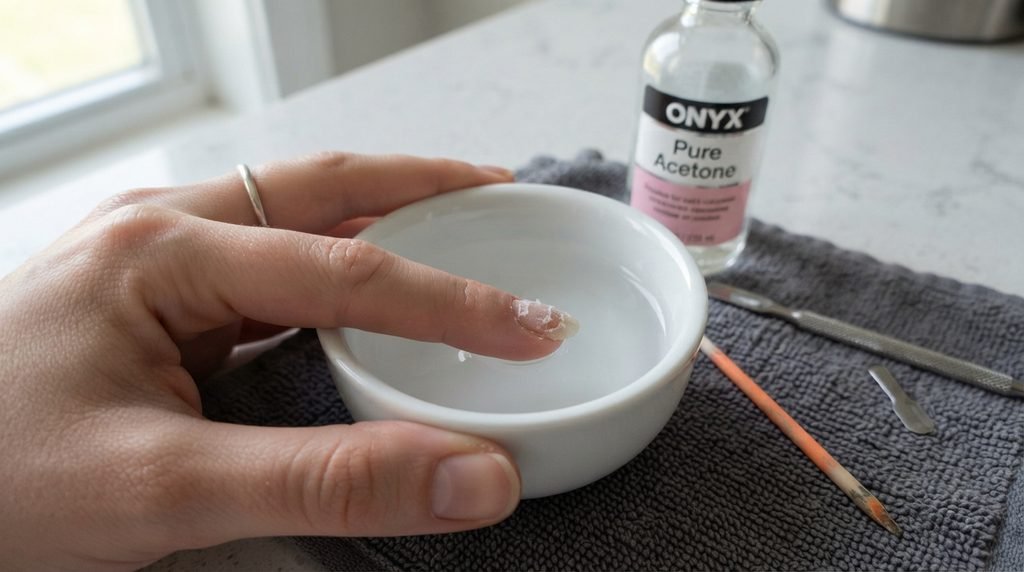
When warm water is not enough, acetone can be a more effective option.
Acetone is commonly used to dissolve nail products, and dermatologists recommend it for removing certain artificial nail products. However, it can also dry the surrounding skin and nails, so it should be used carefully.
Step 1: Protect Your Skin
Before using acetone, apply a thin layer of petroleum jelly around your cuticles and the skin surrounding your nails.
This helps reduce direct acetone exposure.
Step 2: Prepare Cotton
Cut small pieces of cotton so they roughly match the size of your nails.
You only need enough cotton to cover the nail itself.
Step 3: Apply Acetone
Soak the cotton with acetone.
Place it directly over the nail.
Try to keep the acetone concentrated on the nail rather than spreading it over your entire hand.
Step 4: Allow the Glue to Soften
Give the acetone time to work.
Do not immediately start scraping.
Once the adhesive begins to soften, gently wipe away the loosened material.
Step 5: Wash Your Hands
When you finish, wash your hands with mild soap and water.
Then apply a moisturizer or cuticle oil.
Acetone can cause dryness, peeling, and irritation, while repeated exposure can contribute to brittle nails.
How to Remove Nail Glue From Skin
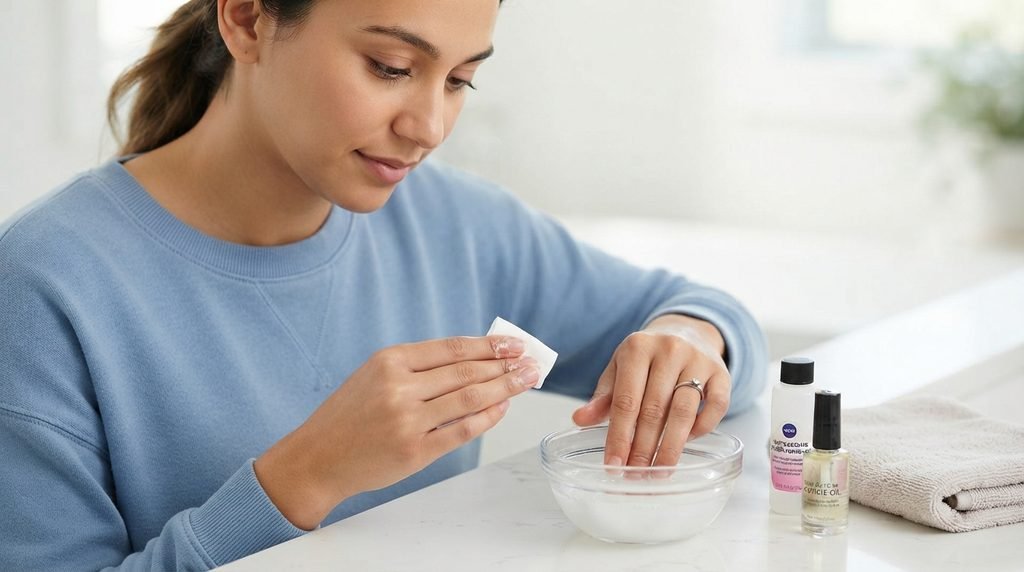
Sometimes the glue does not stay where it is supposed to.
You may accidentally get nail glue on your finger, around your cuticle, or between two fingers.
The first rule is simple:
Do not pull the skin apart forcefully.
If two areas of skin become bonded, pulling them apart can cause pain or injury.
Use Warm Soapy Water
Start with warm soapy water.
Soak the affected area and gently massage around the glue.
You may need to repeat the process several times.
Try Oil or Petroleum Jelly
If water alone is not enough, mineral oil, vegetable oil, or petroleum jelly can help loosen adhesive from skin.
Apply a small amount around the glued area and gently massage.
Poison Control specifically notes oil and petroleum jelly as options for helping loosen cyanoacrylate adhesive from skin.
What About Acetone on Skin?
Acetone can help dissolve some adhesives, but it can also irritate and dry your skin.
Because of that, it is better to avoid unnecessary acetone exposure to your skin.
If you have sensitive or damaged skin, choose a gentler method first.
How to Remove Nail Glue From Under Press-On Nails
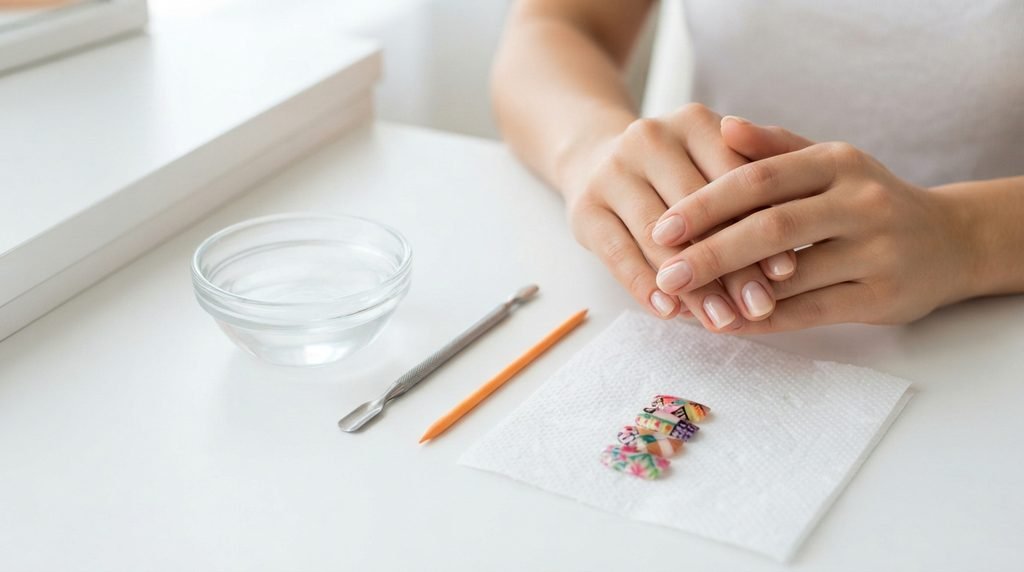
This is one of the most common situations.
Imagine you have been wearing your favorite press-on nails for several days. They still look great, but now you want to remove them. The temptation is to simply pull them off.
That is exactly what you should avoid.
Step 1: Soak Your Nails
Put your fingertips into warm, soapy water.
Allow the water to work underneath the edges of the artificial nails.
Step 2: Add Oil
You can massage a little oil around the edges of the artificial nail.
This may help loosen the adhesive.
Step 3: Wait
Give the adhesive time to soften.
If the press-on nail does not move easily, don’t force it.
Step 4: Gently Lift
Once the adhesive has loosened, gently work around the edge.
If you feel resistance, stop and soak again.
Step 5: Clean Remaining Glue
After the artificial nail comes off, deal with any remaining adhesive separately.
You can use warm soapy water first and consider acetone for stubborn residue.
Can You Remove Nail Glue Without Acetone?
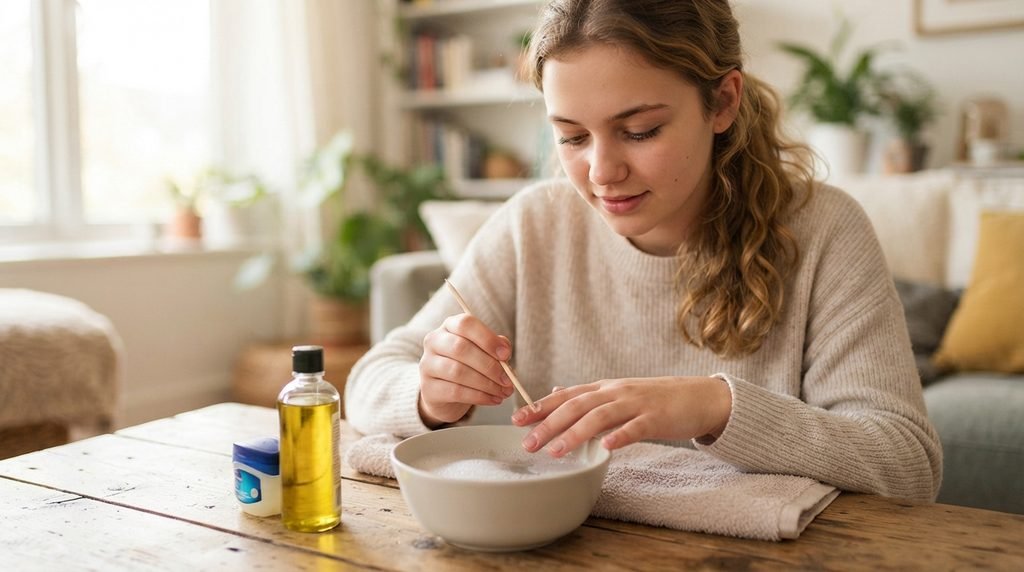
Yes.
If you prefer not to use acetone, there are gentler alternatives.
Warm Soapy Water
This is the easiest option to try first.
It is especially useful when the glue has already started to loosen.
Oil
Mineral oil or vegetable oil can help loosen glue from skin.
Petroleum Jelly
Petroleum jelly can help lubricate the area and may make it easier to gradually separate bonded skin.
Isopropyl Alcohol
Rubbing alcohol may help loosen some adhesives, although it can also dry or irritate skin.
Poison Control notes warm soapy water and alcohol-water mixtures as possible alternatives for nail glue removal.
However, these alternatives may take longer than acetone.
How to Remove Dried Nail Glue
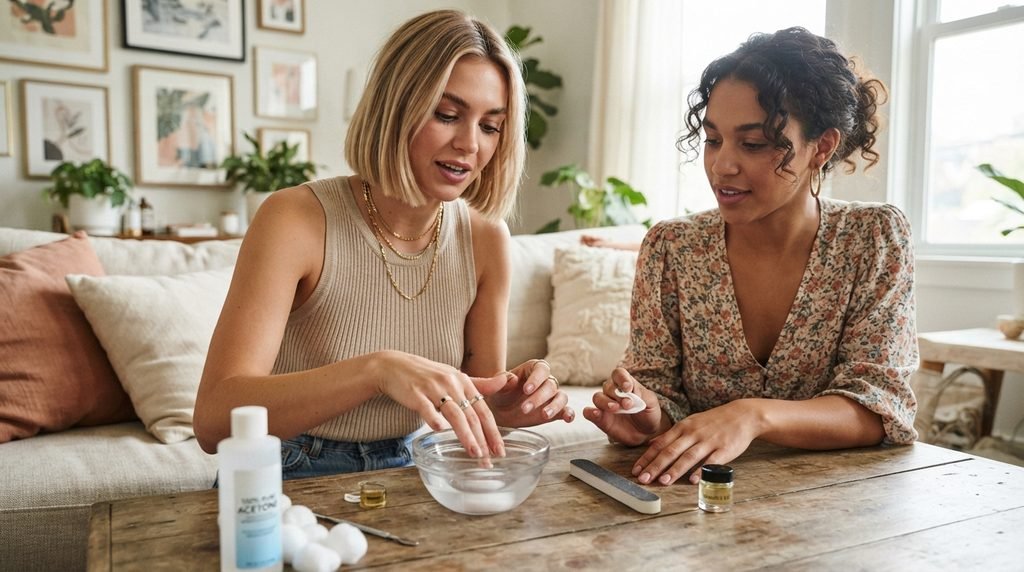
Dried nail glue can look like a small white or clear patch on the nail.
The important thing is not to panic.
Dried glue usually does not need to be removed in one aggressive attempt.
Try This:
- Soak the nail in warm soapy water.
- Gently massage the area.
- Allow the adhesive to soften.
- Repeat the soaking process.
- If necessary, use an appropriate nail adhesive remover or acetone carefully.
- Gently buff only the remaining residue.
- Finish with cuticle oil or moisturizer.
Avoid aggressively filing your natural nail.
Your natural nail is not something you want to “clean” by removing layers of the nail plate.
How to Remove Nail Glue From Fake Nails
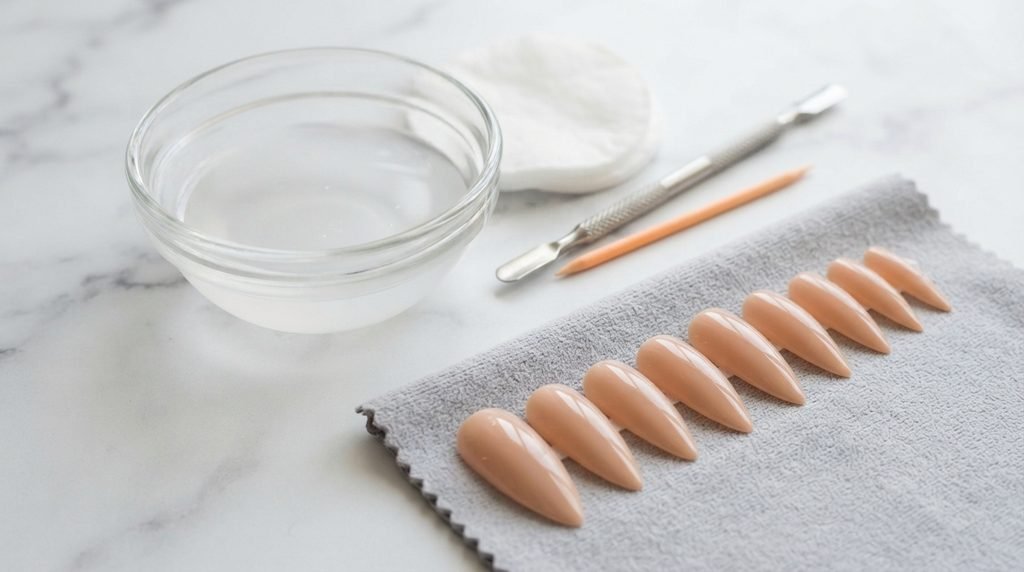
If you want to reuse your press-on nails, be more careful.
You don’t necessarily need to remove every tiny trace of adhesive with aggressive filing.
Instead, soften the adhesive and gently remove the residue.
A small amount of remaining glue can sometimes be worked away gradually.
If you are planning to reuse the nails, avoid damaging their shape while cleaning them.
Is Acetone Safe for Your Nails?
Acetone is useful, but it is not completely harmless to the surrounding skin and nails.
It can cause:
- Dry skin
- Irritation
- Peeling
- Nail dryness
- Brittle nails with repeated exposure
Poison Control notes that acetone can irritate skin and contribute to brittle nails.
The American Academy of Dermatology also recommends protecting the surrounding skin with petroleum jelly when using acetone for nail-product removal.
Therefore, the goal is not to avoid acetone forever. Instead, use it carefully and only when you actually need it.
What You Should Never Do When Removing Nail Glue
Knowing what not to do can save your nails from unnecessary damage.
Don’t Rip Off Press-On Nails
If the adhesive is still strongly bonded, pulling can take layers of your natural nail with it.
Take your time.
Don’t Scrape Aggressively
A metal tool or sharp object may seem like a quick solution, but it can damage the nail surface or surrounding skin.
Don’t Pull Bonded Skin Apart
If nail glue has stuck two fingers together, do not yank them apart.
Instead, soak them and gently work on loosening the bond.
Don’t Use Excessive Acetone
More acetone does not automatically mean better results.
Use enough to treat the adhesive while minimizing unnecessary exposure to your skin.
Don’t Ignore Burning or Severe Irritation
If your skin becomes very irritated, stop using the product and wash the affected area.
How to Care for Your Nails After Removing Nail Glue
Removing the glue is only half of the job.
Your nails also need some care afterward.
Apply Cuticle Oil
A good cuticle oil can help keep the nail and surrounding skin moisturized.
Use Hand Cream
Apply a moisturizing hand cream after washing away acetone or other nail products.
Give Your Nails a Break
If your nails feel thin, dry, or sensitive after removing artificial nails, consider taking a break before applying another set.
The American Academy of Dermatology notes that artificial nail systems can contribute to nail damage, particularly when nails are repeatedly filed or exposed to removal processes.
Avoid Picking
This is probably the most important habit.
If you see a small piece of glue remaining, don’t automatically start picking at it.
Give yourself time.
How Long Does Nail Glue Take to Come Off?
There is no single time that works for everyone.
It depends on:
- The type of adhesive
- How much glue was used
- Whether the glue is on the nail or skin
- How long the adhesive has been there
- Whether you are using acetone
- Whether you are using warm water or oil
Some glue may loosen after a short soak, while stubborn adhesive can require several attempts.
If the adhesive is not causing discomfort, patience is usually better than force.
Can Nail Glue Damage Natural Nails?
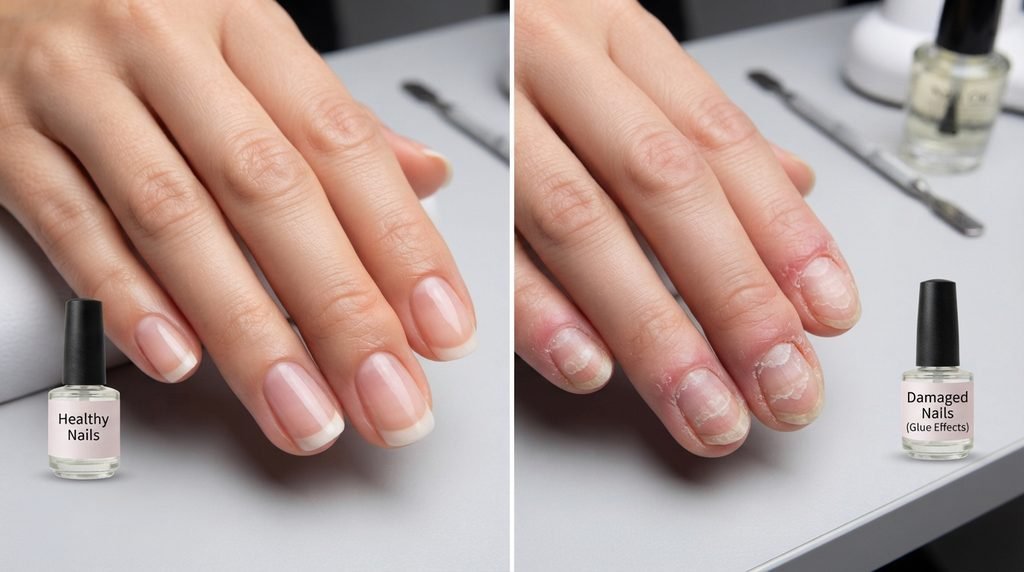
The glue itself is not necessarily the only issue.
The removal process can cause problems if you pick, scrape, peel, or file too aggressively.
Artificial nail applications can also involve filing the natural nail, which can make it thinner and weaker. The American Academy of Dermatology warns that repeated artificial nail application and removal can damage natural nails.
That is why proper removal matters.
A few extra minutes of soaking can be much better than aggressively pulling off a nail.
When Should You Stop Removing Nail Glue Yourself?
Most small amounts of nail glue can be handled carefully at home.
However, stop if you experience:
- Significant pain
- Burning
- Severe redness
- Swelling
- Skin that appears damaged
- A nail that has been injured
- Persistent irritation
If the natural nail has been seriously damaged or you have a painful nail injury, professional medical advice may be appropriate. The American Academy of Dermatology recommends medical evaluation for particularly painful or significant nail injuries.
What If Nail Glue Gets Into Your Eye?
This situation needs much more care.
Do not force your eyelids open.
Cyanoacrylate can bond quickly around the eye.
If glue gets into the eye, flush with water and seek appropriate medical help. Poison Control advises immediate irrigation for eye exposure and says sealed eyelids should not be forced open.
Do not experiment with acetone around your eyes.
What If You Accidentally Swallow Nail Glue Remover?
Nail glue removers and nail polish removers can contain different ingredients, so the exact product matters.
Some artificial nail glue removers have historically contained acetonitrile, which can be extremely dangerous if swallowed.
Always keep nail products in their original containers and away from children.
If someone swallows a nail product, seek poison-control or emergency medical guidance rather than guessing what to do.
How to Choose a Nail Glue Remover
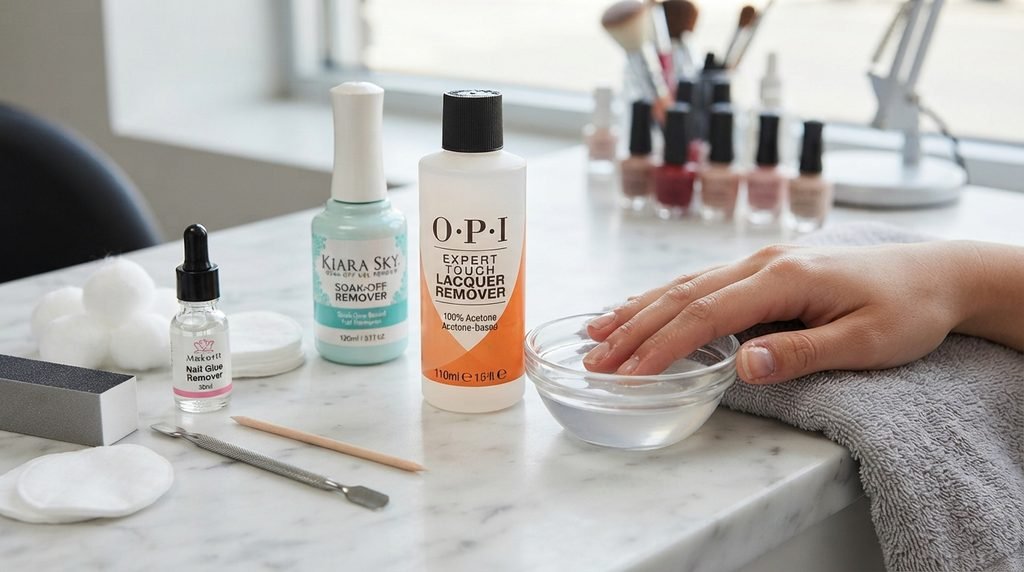
If you frequently wear press-on nails, having a suitable remover available can make removal much easier.
Look for a product that:
- Is specifically designed for nail adhesive
- Clearly lists its ingredients
- Has proper usage instructions
- Includes safety warnings
- Comes in secure packaging
- Is from a reputable nail-care brand
Don’t choose a product simply because it promises to remove glue “instantly.”
A good remover should make the process easier while allowing you to work gradually.
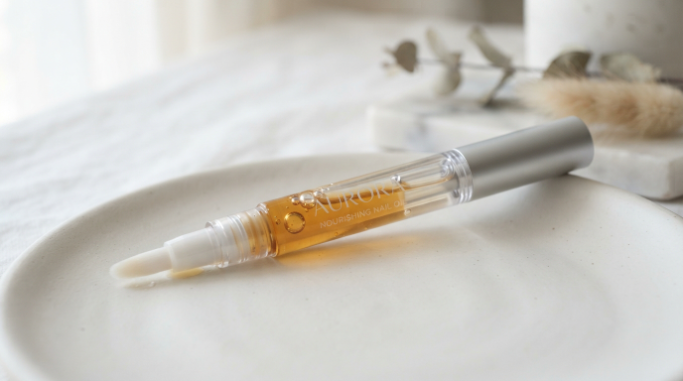
If your main concern is dryness, you can also look for nail-removal products formulated with moisturizing ingredients. Poison Control notes that some nail removers contain moisturizing substances and recommends following the product label.
A Simple Nail Glue Removal Routine
If you want the process in the easiest possible format, use this routine.
For Glue on Natural Nails
1. Soak:
Start with warm soapy water.
2. Loosen:
Gently massage the nail.
3. Repeat:
Give the adhesive more time if necessary.
4. Use Acetone if Needed:
For stubborn residue, carefully use acetone.
5. Clean:
Wash your hands with mild soap.
6. Moisturize:
Apply cuticle oil and hand cream.
For Glue on Skin
1. Don’t pull.
2. Soak in warm soapy water.
3. Try mineral oil, vegetable oil, or petroleum jelly.
4. Gently work the adhesive loose.
5. Stop if the skin becomes painful or damaged.
This gradual approach is much safer than trying to remove everything in one aggressive step.
Frequently Asked Questions About Nail Glue Removal
What is the fastest way to remove nail glue?
For glue on the nail, an appropriate acetone-based remover can be effective. However, speed should not be the only goal. Avoid aggressive scraping or pulling, and protect the surrounding skin.
How do you remove nail glue without damaging your nails?
Start with warm soapy water and allow the adhesive to loosen gradually. If necessary, use an appropriate remover carefully. Avoid picking, scraping, or forcefully peeling the glue.
Can I use nail polish remover to remove nail glue?
Some nail polish removers contain acetone, which can help with certain adhesives. However, formulas vary, so check the label before using the product.
Does oil remove nail glue?
Oil may help loosen cyanoacrylate adhesive from skin. Mineral oil, vegetable oil, and petroleum jelly are options mentioned by Poison Control.
Can warm water remove nail glue?
Warm soapy water can gradually loosen some nail glue, particularly when the adhesive is on skin or has already started to weaken.
Should I peel off dried nail glue?
It is better not to aggressively peel or scrape dried glue from your natural nail. Soften it first and remove it gradually.
How can I protect my cuticles when using acetone?
Apply a thin layer of petroleum jelly around your cuticles before using acetone. This can help protect the surrounding skin.
Final Thoughts
Learning how to remove nail glue is mostly about patience.
Whether you are removing press-on nails, cleaning glue from your natural nails, or dealing with adhesive on your skin, avoid the temptation to pull everything off quickly.
Start with warm soapy water when possible. If the glue is stubborn, an appropriate acetone-based nail remover can be useful. For glue on skin, oil or petroleum jelly may help loosen the bond without the need for aggressive pulling.
Most importantly, look after your natural nails after removal. Wash away any residue, moisturize your hands, apply cuticle oil, and give your nails a little time to recover if they feel dry or weak.
The best nail glue remover is not simply the one that works quickly. It is the one you can use correctly, safely, and with confidence.
So the next time you find yourself staring at stubborn nail glue after a manicure, don’t reach for a sharp tool or start pulling. Take a breath, soften the adhesive, and let the remover do the hard work.