
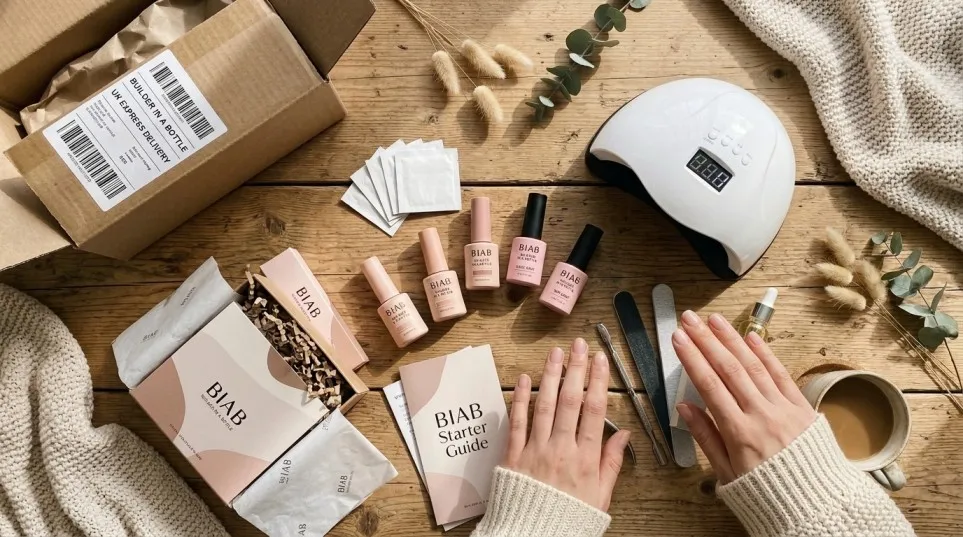
Natural BIAB Nail: The Complete Guide to a Beautiful, Healthy-Looking Manicure
If you love clean, glossy nails that look natural but still feel strong, Natural BIAB nails could be the perfect choice for your next manicure. They offer a simple, elegant finish that works for everyday life, special occasions, holidays, and almost every outfit. Best of all, you can enjoy a polished look without needing long acrylic extensions or complicated nail art.
Natural-looking nails have become a popular choice for people who prefer a neat, effortless style. From soft pink builder gel to milky white nails and glossy nude shades, there are plenty of ways to create a manicure that looks beautiful without appearing too bold.
However, choosing the right product, understanding how BIAB works, and learning how to care for your nails are all important. In this guide, we will explore everything you need to know about Natural BIAB nails, including their benefits, the best colours, application steps, maintenance tips, common mistakes, and how to choose a suitable builder gel product.
Whether you are planning a salon appointment or researching products for your own manicure kit, this guide will help you make a more confident choice.
What Are Natural BIAB Nails?
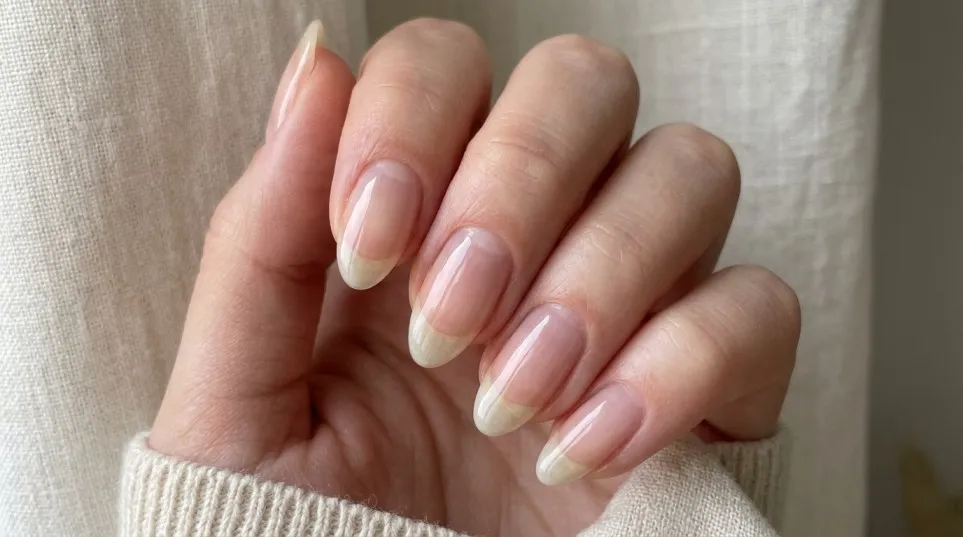
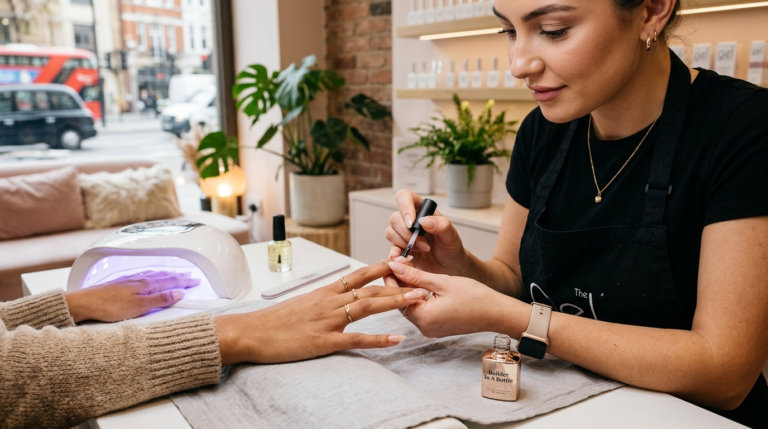
Natural BIAB nails are natural nails coated with a builder gel designed to add structure, create a smooth surface, and provide a glossy finish. BIAB stands for Builder In A Bottle, a product name associated with The GelBottle Inc. Similar products from other brands are generally described as builder gel or builder in a bottle.
Unlike ordinary gel polish, which mainly adds colour, builder gel creates a thicker layer over the natural nail. This layer can provide extra support and help reduce everyday bending and breakage when it is applied and maintained correctly.
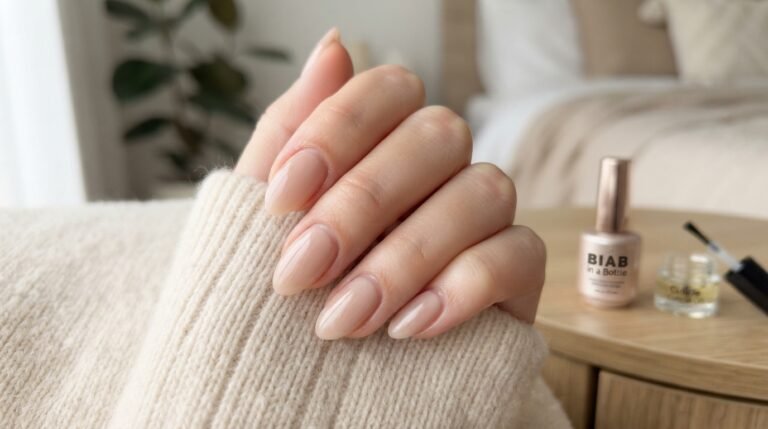
The word natural usually describes the appearance rather than the ingredients or application method. Natural BIAB manicures often use sheer pink, beige, milky white, peach, or transparent shades to create a clean and understated finish.
For example, imagine having short, neatly shaped nails with a soft pink shine. They look polished enough for a wedding or work meeting but are also simple enough for everyday activities. That is the beauty of the natural BIAB style.
To learn more about the treatment, read this guide to BIAB and builder gel.
How Do Natural BIAB Nails Work?
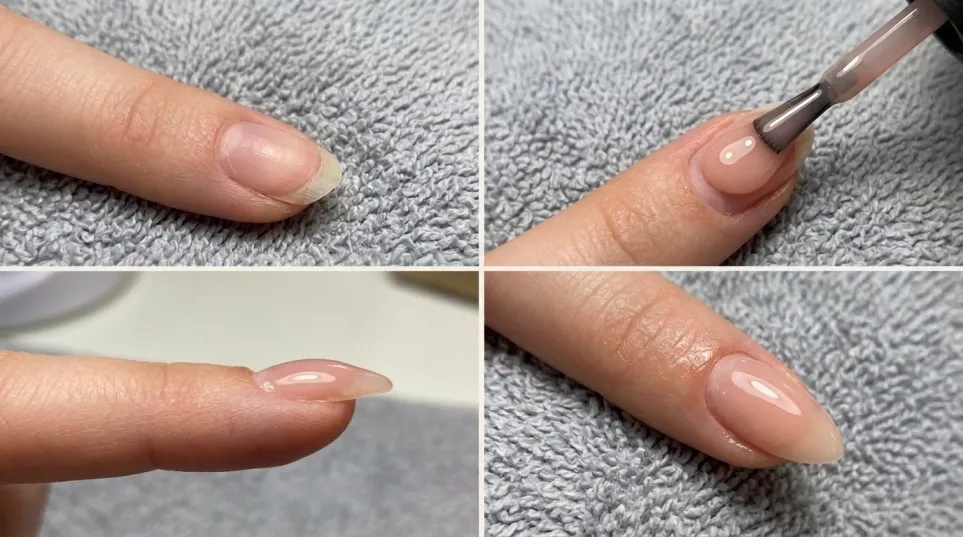
Builder gel is applied to the prepared nail and cured under a compatible UV or LED nail lamp. Once cured correctly, it forms a firm coating that supports the nail underneath.
The natural nail continues to grow as usual. BIAB does not permanently change the nail’s natural thickness or make it grow faster. Instead, the protective overlay can help you maintain length by reducing some of the everyday damage that causes nails to split or snap.
For the best results, the gel must be applied without touching the surrounding skin and cured according to the manufacturer’s instructions.
Why Are Natural BIAB Nails So Popular?
There are several reasons why Natural BIAB nails appeal to people who want a simple but beautiful manicure.
1. They Create a Clean, Elegant Look
One of the biggest advantages of a natural BIAB manicure is its appearance. You do not need glitter, rhinestones, or bright colours to make your nails look attractive.
A sheer pink or nude shade creates a fresh, tidy finish. It can complement casual clothes, office outfits, traditional clothing, and evening wear.
This makes natural BIAB especially useful if you prefer a manicure that works for different occasions without needing frequent colour changes.
2. They Can Support Weak or Flexible Nails
Some people struggle to grow their nails because the tips keep breaking or peeling. A suitable builder gel overlay can provide additional structure and reduce excessive bending.
For instance, imagine someone whose nails always break just as they begin to grow beyond their fingertips. A short BIAB overlay may help protect those nails while they grow underneath.
However, the results depend on nail condition, application quality, daily activities, and maintenance. BIAB is not a medical treatment and cannot repair every type of nail damage.
3. They Offer a Natural Alternative to Extensions
You do not need long nails to enjoy a BIAB manicure. In fact, short natural BIAB nails are one of the most practical options for people who type, cook, clean, or work with their hands.
The builder gel follows the natural nail shape, so you can maintain your preferred length while enjoying a more structured appearance.
4. They Work With Many Different Colours
Although natural BIAB is often associated with pink and nude shades, you can choose from many finishes.
Popular options include:
- Sheer baby pink
- Milky white
- Soft beige
- Peach nude
- Rosy pink
- Transparent gloss
- Pale taupe
- Natural French manicure shades
You can also add a thin white French tip or a subtle shimmer while keeping the overall look natural.
5. They Can Last Longer Than Ordinary Polish
A well-applied builder gel manicure may remain attractive for around two to four weeks, depending on the product, your natural nails, and your daily routine.
Nevertheless, longer wear is not guaranteed. Lifting, cracks, growth, or damage may mean the manicure needs attention sooner. Follow the maintenance schedule recommended by your nail technician rather than leaving the product on indefinitely.
10 Best Natural BIAB Nail Ideas to Try
If you are unsure which style to choose, these Natural BIAB nail ideas are a great place to start. Each design keeps the nails looking elegant, with just enough colour or detail to make them special.
1. Sheer Pink Natural BIAB Nails
Sheer pink is one of the easiest choices for a natural manicure. The transparent colour allows some of your natural nail to show through while adding a soft pink tint.
This design is ideal for everyday wear, office settings, weddings, and anyone who loves a simple manicure.
Best for: A soft, feminine, clean appearance.
2. Milky White BIAB Nails
Milky white nails have a creamy, slightly transparent finish. Unlike bright white polish, this shade looks softer and blends beautifully with the natural nail.
You can wear it throughout the year, but it looks particularly lovely during spring and summer.
Best for: Minimalist styles, holidays, and bridal manicures.
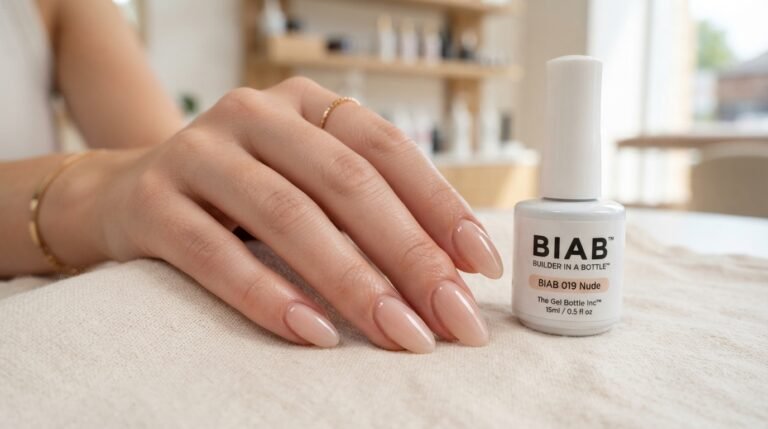
3. Nude Beige Natural BIAB Nails
Beige nude is a classic option for people who prefer understated nails. Choose a shade that complements your skin tone for a balanced, natural appearance.
A warm beige may suit someone who likes earthy colours, while a cooler beige can create a more neutral finish.
Best for: Work, everyday wear, and a timeless manicure.
4. Natural BIAB French Tips
French tips are a beautiful way to add detail without making your manicure look too colourful.
A sheer pink base with a thin white tip gives your nails a neat, classic finish. For an even softer look, ask your nail technician for a very fine French line rather than a thick white tip.
Best for: Weddings, parties, formal occasions, and everyday elegance.
5. Peach Nude BIAB Nails
Peach nude offers a warmer alternative to pink. It creates a fresh, healthy-looking appearance without being too bright.
This shade works particularly well for people who enjoy warm neutral colours and want something slightly different from traditional nude polish.
Best for: Spring, summer, and warm-toned outfits.
6. Clear Natural BIAB Nails
Clear BIAB is ideal if you want to keep your natural nail colour visible.
The builder gel creates a smooth, glossy surface while maintaining a simple appearance. It can also be useful if you want to apply a different gel colour over your builder gel later, provided the system allows it.
Best for: Minimalists and people who dislike obvious nail colour.
7. Soft Pink Ombre BIAB Nails
A soft pink ombre blends two shades together for a delicate gradient. The effect can be subtle enough for everyday wear while still looking more detailed than a single-colour manicure.
Ask your nail technician for a gentle transition between pink and milky white rather than a strong contrast.
Best for: Special occasions and elegant nail designs.
8. Natural BIAB Nails With a Pearl Finish
A pearl finish adds a gentle shine to a natural base. It reflects light without the heavy appearance of chunky glitter.
This is a lovely option if you want your manicure to look modern but still understated.
Best for: Parties, celebrations, and anyone who likes a soft glow.
9. Short Square Natural BIAB Nails
Square nails have straight sides and a flatter tip. This shape looks neat and works well with a nude, pink, or clear builder gel.
If your nails break easily at the corners, consider a soft square shape with slightly rounded edges.
Best for: Practical everyday manicures and people who prefer a modern shape.
10. Natural Almond BIAB Nails
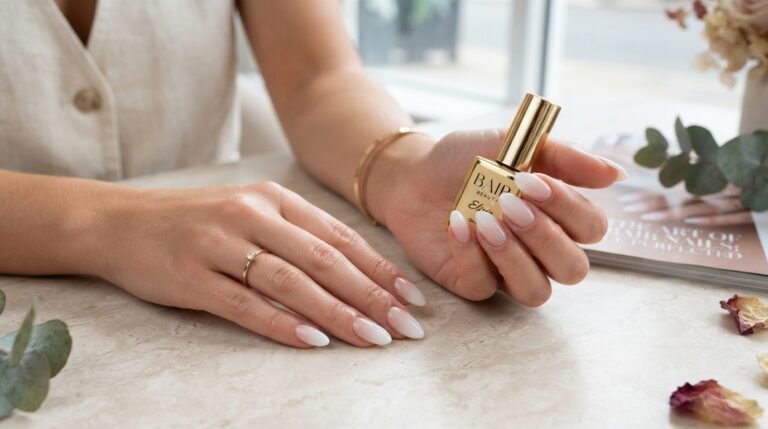
Almond nails taper towards a rounded point, creating an elongated appearance. A sheer pink or beige shade complements the shape without taking attention away from the natural-looking finish.
However, almond shaping requires enough natural nail length to create the desired outline. If your nails are very short, an oval or squoval shape may be more practical.
Best for: A graceful, elongated nail appearance.
Which BIAB Colours Look Most Natural?
The right colour depends on your skin tone, personal taste, and the finish you want. There is no single nude shade that suits everyone.
| BIAB colour | Overall appearance | Best choice for |
|---|---|---|
| Sheer pink | Soft and fresh | Everyday manicures |
| Milky white | Creamy and clean | Bridal and minimalist looks |
| Beige nude | Warm and understated | Classic styles |
| Peach nude | Warm and natural | Spring and summer |
| Clear | Barely coloured and glossy | Minimalist preferences |
| Rosy nude | Slightly deeper pink | A little extra colour |
| Pale taupe | Muted and modern | Neutral, sophisticated looks |
For the most natural result, choose a colour that complements your skin rather than simply copying a picture online.
You can explore more shades through this builder gel guide.
Natural BIAB Nails vs Gel Polish vs Acrylic Nails
Although these treatments may look similar in photographs, they serve different purposes.
| Feature | Natural BIAB nails | Gel polish | Acrylic nails |
|---|---|---|---|
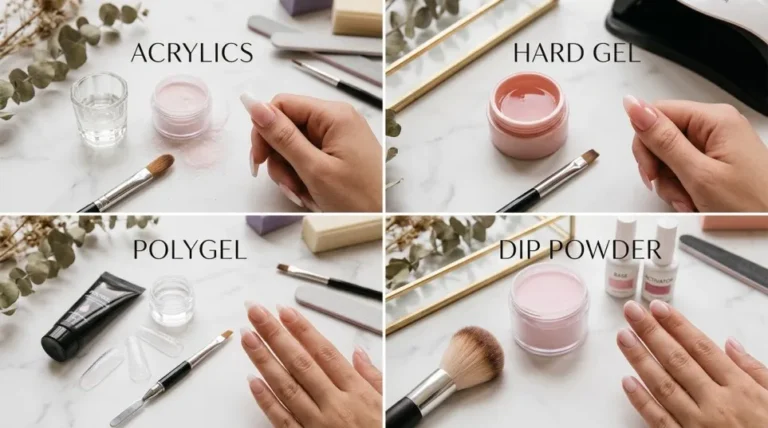
| Main purpose | Add structure to natural nails | Add colour and shine | Create strong enhancements and extensions |
| Typical appearance | Natural and glossy | Thin, coloured finish | Can range from natural to dramatic |
| Added length | Usually little or none | No significant length | Can add substantial length |
| Curing | Compatible UV/LED lamp | Compatible UV/LED lamp | Typically hardens through a chemical reaction |
| Removal | Depends on formula | Usually soaked or removed according to instructions | Usually requires professional filing or removal |
| Maintenance | Regular checks and infills or removal | Reapplication as needed | Regular fills or maintenance |
The best option depends on what you want from your manicure.
If you want to keep your natural nails and add structure, BIAB may be suitable. If you mainly want colour, gel polish may be enough. If you want long extensions, acrylic or another extension system may be more appropriate.
Remember that neither BIAB nor other enhancements are automatically damage-free. Proper application, compatible curing, and careful removal are essential.
For more information, read this comparison of BIAB and builder gel.
How to Apply Natural BIAB Nails Step by Step
A natural BIAB manicure involves more than brushing gel onto the nail. Correct preparation, product selection, and curing all matter.
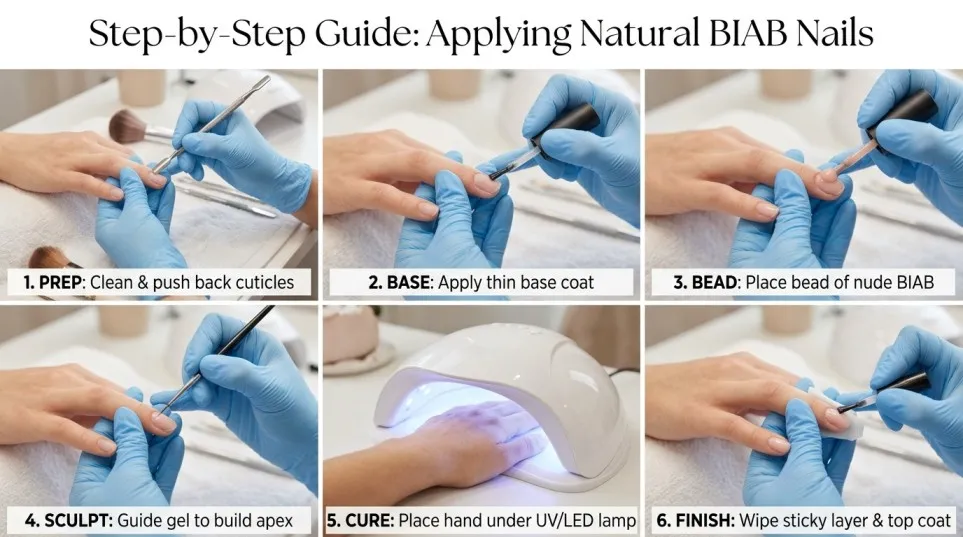
For beginners, a qualified nail technician is generally the safest starting point, especially if you have never worked with professional gel products.
Step 1: Prepare the Natural Nails
Start with clean hands and nails. Remove any old polish and gently shape the free edges using a suitable nail file.
The nail surface must be prepared according to the manufacturer’s instructions. Avoid aggressive buffing because excessive filing can thin the natural nail.
Cuticle work should also be gentle. Do not cut living skin or cause bleeding.
Step 2: Choose the Right Builder Gel
Select a builder gel designed for natural nail overlays. Decide whether you prefer clear gel, sheer pink, milky white, or another nude shade.
Check the product’s ingredients, intended use, curing instructions, and removal method before buying.
Not every builder gel works with every lamp or base coat. Using products from a compatible system helps you follow the correct application process.
Step 3: Apply the Appropriate Base Layer
Some builder gels require a separate base coat, while others are designed to be applied differently.
Follow the exact manufacturer’s instructions rather than assuming all BIAB-style products use the same method.
Keep the product away from the cuticles and surrounding skin. Uncured gel should never be allowed to remain on the skin.
Step 4: Apply the Builder Gel
The builder gel is applied in controlled layers to create a smooth overlay. The technician shapes the product to support the nail without making it unnecessarily thick.
A natural manicure should look balanced from the side as well as from above. The product should not form bulky edges around the cuticle or free edge.
Step 5: Cure the Gel Correctly
Cure the gel for the exact time specified by the manufacturer, using a compatible lamp.
Do not guess the curing time or substitute an unsuitable lamp. A surface that appears hard does not necessarily mean the product has cured completely throughout.
Thick layers and incompatible equipment can lead to incomplete curing and increase the risk of allergic reactions.
Step 6: Finish With Colour and Top Coat
Depending on the system, the builder gel may already provide the colour you want. Otherwise, a compatible gel colour and top coat may be applied.
For a natural finish, choose a sheer shade and a glossy top coat. Follow the product instructions for each layer.
Step 7: Check the Finished Manicure
The final result should look smooth, even, and balanced. There should be no gel touching the skin, obvious gaps, or lifted edges.
Cuticle oil can be applied to the surrounding skin after the manicure is complete.
Important: If you are new to gel nails, do not treat professional builder gel like ordinary nail polish. Improper application or curing can cause an acrylate allergy. If you have a history of gel reactions, consult an appropriate professional before trying another product.
Which Natural BIAB Nail Products Should You Buy?
If you want to create Natural BIAB nails at home, choosing a suitable product is an important first step. A good buying decision should be based on the formula, instructions, intended use, and equipment requirements rather than packaging or social media popularity alone.
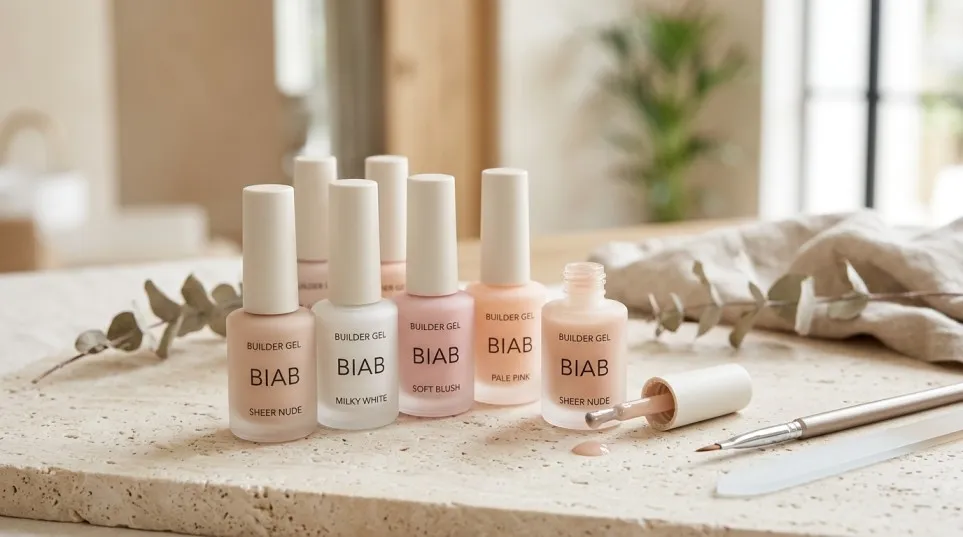
Look for the following features when comparing products:
- Natural shades: Choose clear, sheer pink, beige, or milky white if you want a natural finish.
- Clear instructions: The manufacturer should explain preparation, application, curing, and removal.
- Compatible lamp: Make sure the gel is designed to cure with the specified lamp.
- Ingredient information: Check the full ingredient list and warnings. HEMA-free does not mean allergy-free.
- Suitable formula: Confirm whether the gel is intended for natural overlays and whether it can be soaked off or must be filed away.
- Trusted seller: Purchase from a reputable seller and check that the packaging and product details are consistent.
Where to Buy Natural BIAB Nail Products in the UK
You can compare available builder gel products, natural shades, and starter kits on Amazon UK.
Natural Pink Builder Gel
A useful starting point when comparing sheer pink builder gels for natural-looking overlays.
Browse natural BIAB and builder gel products on Amazon UK
Builder Gel Starter Kits
Compare kits that include builder gel, a compatible lamp, and essential application products. Check carefully whether the lamp is suitable for the exact gel formula.
Browse builder gel nail kits on Amazon UK
These are product search links rather than endorsements of a specific product. Prices, stock, ingredients, and kit contents can change, so check the current listing before purchasing.
For a first manicure, you may find that booking a qualified nail technician is a better investment than buying a complete kit immediately. You can see how the treatment looks on your nails and decide whether you want to continue with it.
How to Make Natural BIAB Nails Last Longer
Once you have your manicure, a few simple habits can help keep it looking neat.
Use Cuticle Oil Regularly
Apply cuticle oil to the skin around your nails to help keep it moisturised. You can also use a hand cream after washing your hands.
Moisturising supports comfortable skin, but it does not repair nail damage instantly or prevent every type of breakage.
Wear Gloves When Cleaning
Frequent exposure to water and cleaning products can affect your hands and nails. Wear suitable household gloves when washing dishes or handling cleaning chemicals.
This is particularly helpful if your daily routine involves repeated wet work.
Avoid Picking or Peeling the Gel
If the product begins lifting, resist the temptation to pull it off. Peeling can remove layers of the natural nail and leave the surface thin or rough.
Arrange appropriate maintenance or removal instead.
Keep Your Nails at a Practical Length
Longer nails experience more leverage when they catch on clothing, packaging, or hard surfaces.
If your nails are naturally weak, maintaining a short or medium length may make your manicure easier to manage.
Book Maintenance at the Right Time
Many people schedule builder gel maintenance around every two to four weeks, depending on their nail growth, product, and lifestyle.
However, do not wait for a scheduled appointment if the product has lifted, cracked, become painful, or changed colour.
For general nail care advice, see the NHS guide to nail problems.
How to Remove Natural BIAB Nails Safely
Removal is one of the most important parts of maintaining healthy natural nails.
The correct method depends on the specific formula. Some builder gels are designed to soak off, while others need to be filed down. Never assume every product can be removed in the same way.
A safer approach is to:
- Check the manufacturer’s removal instructions.
- Have a qualified nail technician assess the product if you are unsure what type it is.
- Avoid aggressive filing of the natural nail.
- Never peel, pry, or force the product away.
- Stop if removal causes pain or unexpected damage.
- Moisturise your hands and cuticles after the product has been removed.
If you notice thinning, persistent peeling, unusual discolouration, or soreness, consider taking a break from enhancements. If the nail or surrounding skin is painful, swollen, or showing signs of infection, seek medical advice before another manicure.
Are Natural BIAB Nails Safe for Your Nails?
Natural BIAB nails can be a suitable cosmetic option, but their safety depends on how the product is used.
Potential benefits include additional structure, a smooth finish, and less everyday breakage for some people. However, repeated filing, rough removal, and incorrect application can contribute to brittle or damaged nails.
Gel products may also contain acrylates or methacrylates that cause allergic reactions in some people.
Watch for symptoms such as:
- Itching or redness around the nails
- Swelling or blistering
- Cracked skin around the fingertips
- Nail lifting from the nail bed
- Persistent pain or unusual discolouration
Stop using the product if you suspect an allergic reaction and seek medical advice. Do not simply switch to another gel or assume a HEMA-free formula will be safe for you.
For additional information, read this BIAB safety and aftercare guide.
Common Mistakes to Avoid With Natural BIAB Nails
Even a beautiful natural manicure can become uncomfortable or damaged if it is not maintained properly.
Applying too much product: Thick layers may not cure correctly. Follow the recommended application method.
Filing the nail too aggressively: Excessive buffing can weaken the natural nail plate.
Letting gel touch the skin: Uncured product on the skin can contribute to sensitisation.
Using an incompatible lamp: The correct curing equipment matters as much as the product itself.
Choosing excessive length: Very long nails may be impractical if your natural nails are thin or flexible.
Ignoring lifting: Moisture and debris may collect under a lifted enhancement. Do not cover the area with fresh gel.
Removing the product by force: Peeling or prying can strip away layers of your natural nail.
Avoiding these mistakes can help you make a more informed decision about whether BIAB is right for you.
Frequently Asked Questions About Natural BIAB Nails
These frequently asked questions address common searches about natural BIAB manicures, builder gel, nail growth, maintenance, and product choice.
Related BIAB Guides
- Natural BIAB Nails: How to Get a Healthy, Understated Look
- November BIAB Nails: 20 Beautiful Designs, Colours and Trends to Try
- November BIAB Nail Ideas: 20 Beautiful Designs, Colours and Trends to Try
- What Is BIAB? A Complete Guide to BIAB Nails, Benefits, Application and Aftercare
Frequently Asked Questions
Natural BIAB nails are natural nails coated with builder gel to create a smooth, glossy, structured finish. They usually feature sheer pink, nude, beige, clear, or milky white shades and do not require long extensions.
They may help support weak or flexible nails by adding a protective layer that reduces some everyday bending and breakage. However, they do not permanently strengthen the nail underneath. If your nails are painful, severely damaged, or changing colour, seek professional advice before covering them.
A well-applied manicure may last around two to four weeks, depending on the formula, nail growth, application, and lifestyle. Arrange maintenance sooner if the product lifts, cracks, or becomes uncomfortable.
Neither is universally better. Natural BIAB is often preferred for short or medium-length natural nail overlays, while acrylic can be more suitable for substantial extensions. The right choice depends on your preferred appearance, nail condition, and lifestyle.
Sheer pink, transparent nude, milky white, and beige are popular natural-looking options. The best shade depends on your skin tone and whether you prefer a warm, cool, or neutral finish.
Yes. Short natural nails are well suited to builder gel overlays when the nails and surrounding skin are healthy. A rounded, oval, or soft-square shape can create a neat appearance without requiring added length.
BIAB does not make nails grow faster. However, the extra structure may help some people retain length by reducing everyday breakage. Your natural nails continue growing underneath the coating.
It is possible, but professional gel products require careful preparation, correct application, and compatible curing equipment. If you are inexperienced, consider learning from a qualified nail professional before attempting a home application.
HEMA-free products exclude one particular ingredient associated with some gel allergies, but they can still contain other sensitising ingredients. HEMA-free does not mean allergy-free. Proper application and curing remain essential.
They can contribute to damage if the nail is over-filed, the product is peeled off, or removal is performed incorrectly. Allergic reactions and problems beneath lifted product are also possible. Correct application, maintenance, and removal help reduce avoidable risks.
Many people arrange maintenance every two to four weeks. The appropriate interval depends on your nail growth, product, and condition of the manicure. Your nail technician can recommend a schedule that suits you.
In many cases, ordinary air-drying nail polish can be applied over a fully cured, compatible BIAB finish. Check the product instructions and use an appropriate remover that will not damage the enhancement. Gel colour requires a compatible system and correct curing.
Oval, round, and soft-square shapes are popular because they look neat and work well at shorter lengths. Almond shapes can also look elegant when there is enough natural nail length to create them.
Yes. Sheer pink, milky white, nude beige, and subtle French tips are popular choices for weddings, parties, and formal occasions. They provide a polished appearance without competing with your outfit or jewellery.
Final Thoughts on Natural BIAB Nails
Natural BIAB nails are an excellent option to consider if you love an elegant, glossy manicure without the appearance of long extensions. With colours ranging from sheer pink and milky white to nude beige and peach, you can create a look that suits your personal style and everyday routine.
The biggest advantage is the added structure that builder gel can provide to natural nails. However, results depend on your nail condition, product choice, application, and aftercare. BIAB is not a treatment that makes nails grow faster, and it is not automatically damage-free.
If you are considering your first manicure, start by choosing a practical nail length and a shade you will enjoy wearing. You can then compare professional salon treatments or carefully research suitable builder gel products before making a purchase.
For a simple, natural-looking finish, sheer pink or milky white BIAB nails are excellent starting points. Choose a reputable product, follow the manufacturer’s instructions, and prioritise safe application and removal. That way, you can enjoy a beautiful manicure while making informed decisions about your natural nail care.
One Comment