Curanail Fungal Nail Treatment: A Complete Guide to Using Amorolfine for Nail Fungus


If you have noticed a toenail becoming yellow, white, brown, thick, brittle, or crumbly, you may be dealing with a fungal nail infection. It can start as a small change that is easy to ignore, but because nails grow slowly, the problem can gradually become more noticeable.
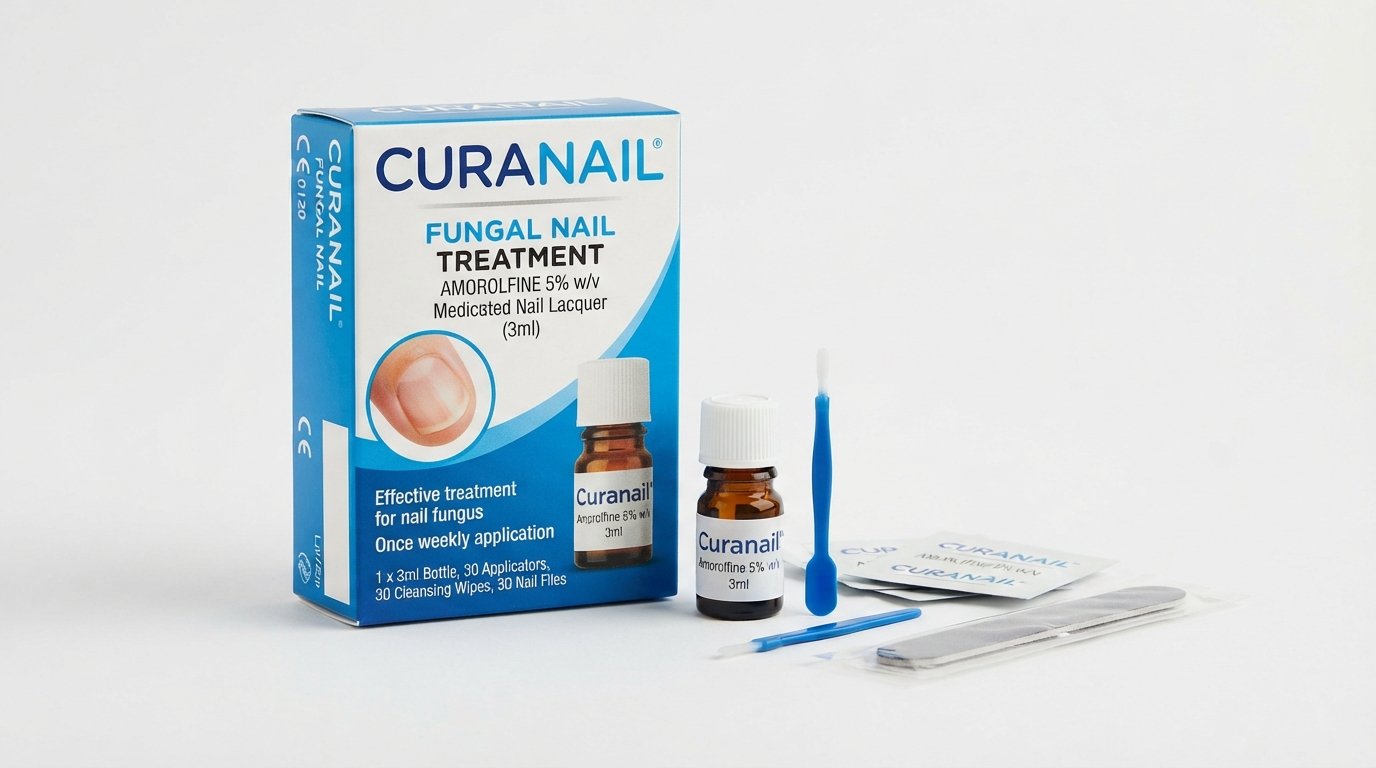
One treatment option for certain mild fungal nail infections is Curanail fungal nail treatment, a medicated nail lacquer containing 5% amorolfine. According to the official product information, Curanail is intended for adults with mild fungal nail infections affecting one or two nails, particularly when the infection is limited to the upper half or sides of the nail. (Medicines.org.uk)
The good news is that treating a fungal nail does not always mean taking tablets. For suitable mild infections, a medicated nail lacquer can be applied directly to the affected nail. However, consistency is important because nail fungus can take months to clear as healthy nail gradually grows out.
In this guide, we will look at Curanail fungal nail treatment, how it works, who it is suitable for, how to apply it step by step, how long treatment can take, mistakes to avoid, and when you should speak with a pharmacist or doctor.
Important: Curanail is a medicine, not simply a cosmetic nail product. Always read the package leaflet and follow the instructions provided with your product. If you are unsure whether your nail problem is fungal, ask a pharmacist or healthcare professional before starting treatment.
What Is Curanail Fungal Nail Treatment?
Curanail fungal nail treatment is a medicated nail lacquer containing amorolfine hydrochloride, an antifungal medicine. It is designed to treat certain mild fungal infections of the nails.
The official product information states that Curanail 5% is indicated for mild cases of fungal nail infection caused by dermatophytes, yeasts, or moulds when the infection is limited to up to two nails. (Medicines.org.uk)
Rather than taking an antifungal tablet, the medicine is applied directly to the affected nail. The lacquer forms a treatment layer over the nail and allows the active ingredient to act against susceptible fungi.
This makes it particularly convenient for people whose infection fits the product’s recommended use.
What is amorolfine?
Amorolfine is an antifungal medicine. Curanail contains it at a 5% concentration.
It works against a range of fungi that can cause nail infections. However, not every thick or discoloured nail is caused by fungus. Nail trauma, psoriasis, other skin conditions, and other nail problems can produce similar-looking changes.
That is why correct identification matters.
The NHS information on fungal nail infections notes that brittle, discoloured or thickened nails can be signs of a fungal infection, but treatment depends on the situation. (nhs.uk)
What Does a Fungal Nail Infection Look Like?
A fungal nail infection, also called onychomycosis, can develop gradually.
Common signs include:
- Yellow, white, or brown nail discoloration
- A nail becoming thicker than normal
- Brittle or crumbly nail edges
- Small pieces of nail breaking away
- Changes in nail shape
- The nail becoming separated from the nail bed
- White patches or streaks
- Occasionally, soreness or swelling around the nail
Fungal nail infections are particularly common in toenails, although fingernails can also be affected. (nhs.uk)
A simple example
Imagine noticing a small yellow area at the corner of your big toenail.
At first, it might not bother you. You trim the nail and forget about it. A few weeks later, the nail looks thicker. Eventually, the discoloured area starts moving across more of the nail.
This is one reason early attention can be useful. However, you should not automatically assume that every discoloured nail has a fungal infection.
Who Is Curanail Fungal Nail Treatment For?
Curanail is specifically intended for certain mild fungal nail infections in adults aged 18 years and over.
According to its patient information, it should only be used when:
- One or two nails are affected.
- The infection involves the upper half or sides of the nail.
- The nail is otherwise suitable for this type of topical treatment. (Medicines.org.uk)
This is an important point.
More treatment does not necessarily mean better treatment. If several nails are badly affected, the infection extends deeply through the nail, or the nail is significantly damaged, a medicated lacquer may not be the appropriate option.
In more extensive cases, a healthcare professional may consider other treatments.
Who Should Not Use Curanail Without Medical Advice?
The Curanail patient information gives several situations where the product should not be used. These include pregnancy or breastfeeding, allergy to amorolfine or its ingredients, poor circulation in the hands or feet, and nails that are moderately or severely damaged or infected. It also advises against use where there is pain or swelling around the nail. (Medicines.org.uk)
Therefore, speak to a pharmacist or doctor if you are unsure.
You should also seek professional advice if:
- You have diabetes and develop a fungal nail problem.
- You have a weakened immune system.
- The infection appears severe.
- Several nails are affected.
- The nail is painful or significantly swollen.
- The nail condition is getting worse.
- Treatment has not produced improvement.
- You are unsure whether the problem is actually fungal.
The NHS specifically recommends seeking medical advice in situations such as diabetes, a weakened immune system, severe infection, or failure of treatment. (nhs.uk)
How Does Curanail Fungal Nail Treatment Work?
The active ingredient, amorolfine, is an antifungal medicine.
The treatment is applied directly to the affected nail, where the medicated lacquer provides a way for the antifungal ingredient to work against susceptible fungi.
The product is not designed to make an infected nail look healthy overnight.
That distinction is important.
The old nail does not suddenly become new
A fungal nail may already be damaged before treatment begins. Even when the fungal infection is being successfully treated, the damaged portion of the nail needs to grow out.
This is why the Curanail patient information says that treatment normally continues until the infection has cleared and healthy nail has grown back. It gives typical treatment periods of around 6 months for fingernails and 9–12 months for toenails. (Medicines.org.uk)
The NHS similarly explains that fungal nail treatments can require 6 to 12 months, and visible improvement may take several months. (nhs.uk)
So patience is a major part of successful nail-fungus care.
How to Use Curanail Fungal Nail Treatment Step by Step


Using Curanail fungal nail treatment correctly is important. The official instructions recommend applying it once a week.
Here is a simple breakdown.
Step 1: Prepare the affected nail
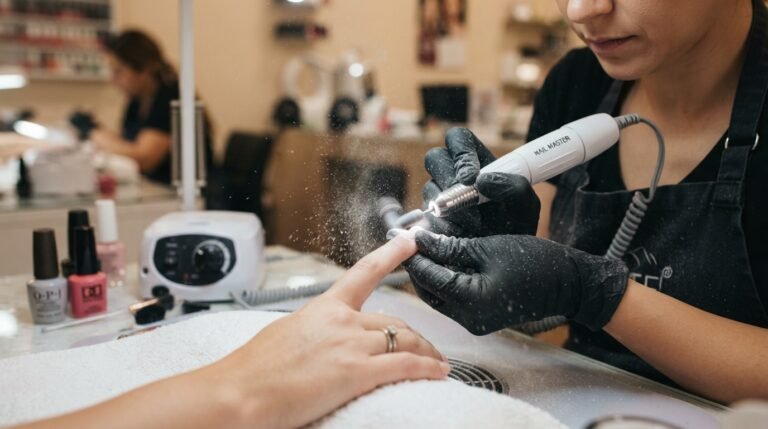
Before the first application, carefully file down the affected parts of the nail.
Pay particular attention to the nail surface where the infection is present.
The official product information recommends filing the affected nail before the first application and warns that files used on infected nails should not subsequently be used on healthy nails. (Medicines.org.uk)
Why does filing matter?
A thickened or rough nail can make it more difficult for topical treatment to reach the affected area.
However, do not aggressively file the nail or surrounding skin. The goal is preparation, not causing damage.
Step 2: Clean the nail
After filing, clean and degrease the nail using the supplied cleaning pad or the method described in your package instructions.
This removes surface debris and helps prepare the nail for the lacquer.
Don’t skip this step simply because the nail looks clean.
Step 3: Apply the Curanail lacquer
Dip the applicator into the bottle and apply the lacquer evenly over the entire affected nail.
The official instructions say not to wipe the lacquer off against the bottle neck before applying it. (Medicines.org.uk)
Cover the nail surface thoroughly.
Then allow it to dry.
The patient information says the treated nail should be allowed to dry for approximately 3 minutes. (Medicines.org.uk)
Step 4: Clean the applicator
After application, clean the applicator using the appropriate cleaning pad as instructed.
This is an easy step to forget, especially when you are in a hurry.
However, good hygiene is important when treating fungal nail infections because you do not want to spread infection between nails.
Step 5: Repeat once a week
This is where consistency becomes important.
Curanail is normally applied once weekly, rather than several times every day. (Medicines.org.uk)
Choose a day that is easy to remember.
For example:
“Sunday evening is my nail-treatment day.”
You can then build it into your normal routine.
The official instructions emphasize continuing treatment without interruption until the infected area has cleared and healthy nail has grown out. (Medicines.org.uk)
How Long Does Curanail Take to Work?
This is probably one of the most common questions people have.
The honest answer is: fungal nails take time.
Curanail’s patient information says that visible improvement may take 2 or 3 months to appear because nails grow slowly. It gives typical treatment durations of approximately:
- Fingernails: around 6 months
- Toenails: around 9–12 months (Medicines.org.uk)
That may sound like a long time, but remember that the goal is not merely to cover up the discolouration.
Healthy nail needs to grow from the base and gradually replace the damaged portion.
Look at the nail from the base
One useful way to monitor progress is to look for healthy-looking nail growth near the cuticle.
If healthy nail is gradually appearing from the base while the affected portion moves toward the tip, that can be an encouraging sign.
The Curanail leaflet actually recommends keeping a record of how the nail looks and checking progress every three months. (Medicines.org.uk)
Taking a photo at the beginning can therefore be surprisingly helpful.
Can You Wear Nail Polish With Curanail?
According to the Curanail patient information, cosmetic nail varnish can be used, but you should wait at least 10 minutes after applying Curanail before applying cosmetic nail varnish. The cosmetic polish should be carefully removed before the next Curanail application. (Medicines.org.uk)
However, artificial nails should not be used while using Curanail, according to the product information. (Medicines.org.uk)
If your main concern is hiding the appearance of an affected nail, remember that cosmetic coverage should not replace proper treatment.
Common Mistakes to Avoid
1. Stopping when the nail looks slightly better
This is a common mistake.
A nail may look improved while the infection has not completely cleared.
Continue treatment according to the product instructions unless your healthcare professional tells you otherwise.
2. Using the same file on healthy nails
Don’t do this.
A file used on an infected nail should not be reused on healthy nails because it may contribute to spreading the infection. (Medicines.org.uk)
3. Applying the treatment only to the discoloured spot
The official instructions say to apply the lacquer over the entire surface of the affected nail. (Medicines.org.uk)
4. Expecting overnight results
Nails grow slowly.
Even an effective treatment will not instantly reverse existing nail damage.
5. Ignoring athlete’s foot
Fungal infections of the skin can spread to the nails.
The NHS recommends treating athlete’s foot promptly to reduce the chance of it spreading to the nails. (nhs.uk)
How to Reduce the Risk of Fungal Nail Infection Returning
Treatment is only one part of nail care.
Your daily habits matter too.
Keep feet dry
Fungi can thrive in warm, damp environments. Try to keep your feet clean and dry, especially between the toes.
Change socks regularly
Fresh socks can help reduce prolonged moisture around your feet.
Choose breathable footwear
Avoid shoes that keep your feet hot and sweaty for long periods.
Don’t share nail tools
Keep nail clippers, scissors, files, socks, towels, and footwear personal.
Be careful in communal areas
Wearing suitable footwear around communal showers, swimming pools, and changing areas can help reduce exposure to fungal infections.
These prevention measures are also recommended by the NHS. (nhs.uk)
Curanail vs Antifungal Tablets
Not every fungal nail infection requires the same treatment.
For some mild infections, a medicated nail lacquer may be considered. For more extensive infections, healthcare professionals may consider oral antifungal medicines.
For example, terbinafine tablets are prescription treatment for fungal nail infections in the UK and may be considered when topical treatment is unlikely to work. (nhs.uk)
Oral antifungal treatment is different from Curanail because the medicine is taken systemically rather than applied directly to the nail.
The NHS notes that doctors may take a nail sample before prescribing antifungal tablets to confirm the type of infection, and blood testing may be needed because of potential effects on the liver. (nhs.uk)
This is one reason you should not automatically choose the strongest-sounding treatment.
The right option depends on the extent and type of infection, your health, and other medicines you may be taking.
How to Get the Most From Curanail Fungal Nail Treatment
If Curanail is appropriate for your nail infection, creating a simple routine can make treatment easier.
Your weekly routine
Choose one day:
Pick the same day every week.
Remove old lacquer:
Before the next application, follow the product instructions for removing remaining lacquer and cosmetic polish.
Inspect the nail:
Look for changes and healthy growth.
File when needed:
Gently file the affected nail as instructed.
Clean:
Prepare the nail surface.
Apply Curanail:
Cover the entire affected nail.
Let it dry:
Give it the recommended drying time.
Clean the applicator:
Follow the instructions to prevent unnecessary spread of infection.
Then repeat the following week.
Simple routines are often easier to maintain than complicated ones.
Is Curanail Fungal Nail Treatment Worth Considering?
If you have a mild fungal nail infection affecting one or two nails and the infection fits the product’s recommended use, Curanail provides a convenient once-weekly topical treatment containing amorolfine. (Medicines.org.uk)
One of its practical advantages is the weekly application schedule. Instead of remembering a topical medicine multiple times each day, the routine centers around one treatment session each week.
However, the biggest factor is commitment.
You need to be prepared for a treatment process that may last months rather than days.
The product is therefore best approached as a long-term nail-care routine, not a quick cosmetic fix.
Before purchasing, check that your symptoms match the product’s intended use and read the current leaflet. If you have pain, swelling, significant nail damage, multiple affected nails, diabetes, poor circulation, pregnancy, breastfeeding, or an uncertain diagnosis, professional advice is especially important. (nhs.uk)
A Simple 6-Step Curanail Checklist
For anyone who wants a quick reminder, save this:
- Check that the infection is suitable for Curanail.
- File the affected nail carefully as directed.
- Clean and degrease the nail.
- Apply Curanail over the affected nail.
- Allow it to dry properly.
- Repeat once a week and continue for the recommended duration.
And remember: healthy nail growth is the real sign of progress, not simply a temporary change in the colour or appearance of the nail.
Frequently Asked Questions About Curanail Fungal Nail Treatment
How often should Curanail be applied?
Curanail 5% nail lacquer is normally applied once a week to each affected nail. (Medicines.org.uk)
How long does Curanail treatment take?
The product information states that treatment usually takes around 6 months for fingernails and 9–12 months for toenails, although the exact duration depends on the infection and how quickly the nail grows. (Medicines.org.uk)
Can I use Curanail every day?
No. The official dosing instructions specify once-weekly application. Follow the package instructions rather than applying extra doses in an attempt to speed up results. (Medicines.org.uk)
Can I use ordinary nail polish?
The Curanail leaflet says cosmetic nail varnish may be used, provided you wait at least 10 minutes after applying Curanail. Cosmetic polish should be removed before the next treatment. (Medicines.org.uk)
Can I use artificial nails?
The Curanail patient information says artificial nails should not be used while using the medicine. (Medicines.org.uk)
What if I have several infected nails?
Curanail’s indicated use is for mild infection affecting up to two nails. If several nails are affected, speak with a pharmacist or doctor about whether another treatment approach is more appropriate. (Medicines.org.uk)
When should I speak to a doctor?
Seek professional advice if the infection is severe, spreads to other nails, treatment is not working, or you have diabetes or a weakened immune system. (nhs.uk)
Final Thoughts on Curanail Fungal Nail Treatment
A fungal nail infection can be frustrating because it develops slowly and disappears slowly too. However, having a clear routine can make the treatment process much easier.
Curanail fungal nail treatment contains 5% amorolfine and is designed for certain mild fungal nail infections in adults. Its once-weekly application can fit conveniently into a normal self-care routine, while the treatment period reflects the slow growth of fingernails and toenails. (Medicines.org.uk)
The most important thing is to use it correctly and consistently. Prepare the nail, apply the lacquer as directed, keep infected and healthy nail tools separate, and give your nail enough time to grow out.
Most importantly, don’t judge the treatment after only a few weeks. Nail fungus is a long game.
If your nail condition matches the product’s intended use, Curanail can be a practical topical option to discuss with a pharmacist. But if your nail is painful, badly damaged, swollen, extensively infected, or you’re unsure whether the problem is actually fungal, get professional advice rather than relying on appearance alone.
For the most current instructions and safety information, check the official Curanail patient information and the NHS fungal nail infection guidance. (Medicines.org.uk)