BIAB Nails: Everything You Need to Know Before Your Next Appointment
If you have been scrolling through nail inspiration lately, chances are you have come across the term BIAB nails more than once. This treatment has quietly become one of the most requested nail services in salons, and for good reason. It strengthens natural nails, holds shape for weeks, and gives a glossy, salon fresh finish without the bulk of traditional acrylics. In this guide, we will break down what it actually is, why clients keep coming back for it, whether it can damage natural nails, and what you can expect to pay.
What Are BIAB Nails?
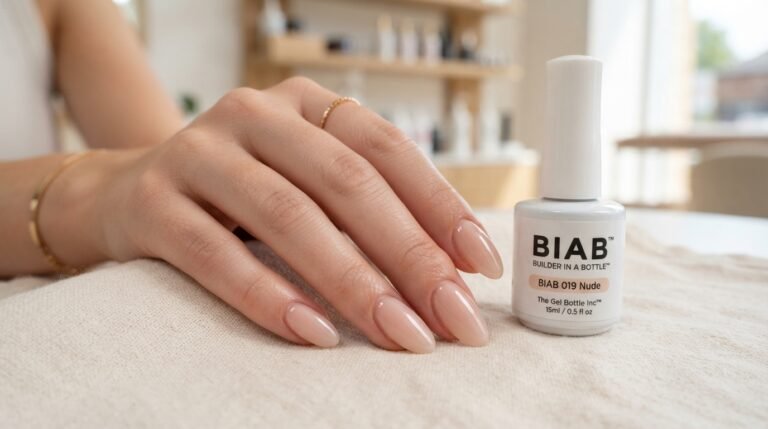
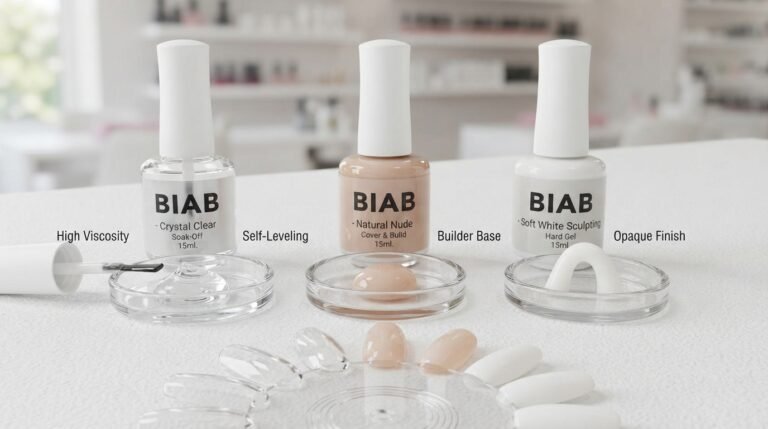
BIAB stands for Builder in a Bottle, a soak off gel formula that acts as both a strengthener and a natural nail extension. Unlike acrylic powder and liquid systems, it is applied straight from the bottle onto a clean, prepped nail plate, then cured under an LED lamp in thin layers. The result is a flexible, durable overlay that moves with your natural nail instead of sitting rigidly on top of it.
Nail technicians often choose this builder gel method for clients who want length and strength without the heaviness of acrylic or the fragility of regular gel polish. Because the formula bonds closely to the nail bed, it also acts as a protective layer for people who bite their nails or have weak, brittle nail plates. The cuticle area is left untouched during application, keeping the finish looking clean and natural.
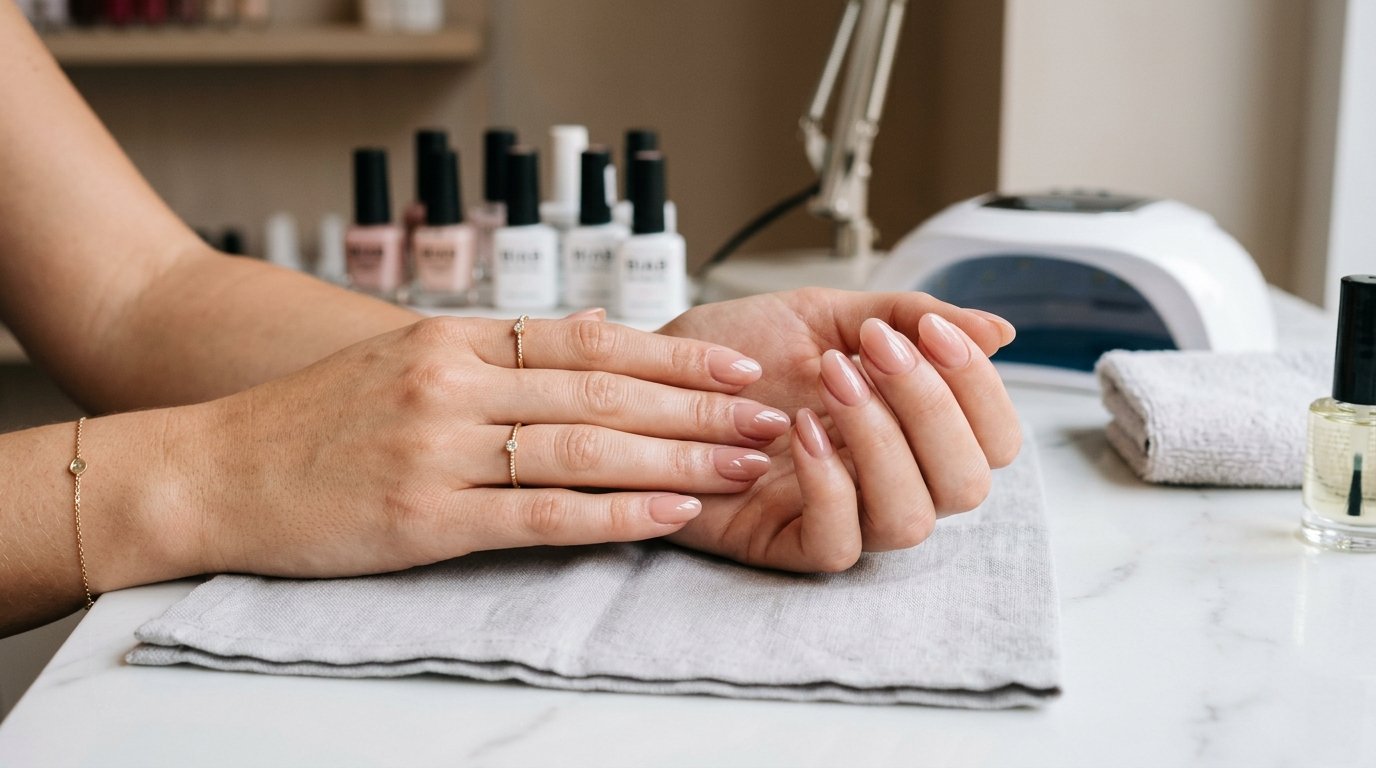
Many salons pair the treatment with a base coat, a few thin coats of builder gel, and a glossy top coat, sometimes with a soft pink or clear tint for a natural looking finish.
Why Choose BIAB Nails at Kelly’s Beauty Box?
Not every salon applies the treatment the same way, and technique matters far more than the product name on the bottle. At Kelly’s Beauty Box, every application starts with proper nail prep, correct filing, and careful shaping before a single layer of gel touches the nail plate. This attention to detail is what separates a set that lasts three weeks from one that lifts after five days.
Our technicians are trained specifically in builder gel application, which means they know how to balance the gel across the nail bed for even strength and a smooth apex. We also focus on aftercare guidance, so clients know how to care for their hands between appointments and avoid common mistakes like picking at lifted edges.
Hygiene is non negotiable. Tools are properly sanitised between clients, and we use quality LED lamps that cure the gel fully, reducing the risk of soft or under cured product that peels or cracks early.
Read more to about biab nails
Why Our Clients Love BIAB Nails
Ask around and you will hear a similar story from most regulars: their natural nails have never looked or felt healthier since switching to this treatment. Because the gel reinforces the nail rather than replacing it, many clients notice stronger, longer natural nails underneath after just a few sets.
The finish itself is another reason clients keep rebooking. It has a smooth, glass like shine that resists chipping far better than standard gel polish, and it holds up well for anyone who types, cooks, or works with their hands daily. Unlike acrylics, there is no harsh chemical smell, and removal is a simple soak off process rather than filing everything away.
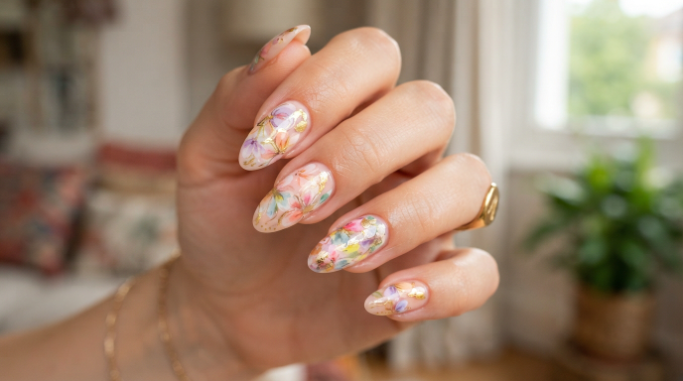
It also works beautifully on shorter nails, making it a popular choice for clients who want extra strength without dramatic length. Whether someone wants a subtle natural look or a bold colour on top, the builder gel base adapts well to both.
Is BIAB Bad for Your Nails?
This is one of the most common questions we get, and the honest answer is that it depends entirely on application and removal. When applied correctly by a trained technician and removed through a proper soak off process, this treatment is considered gentle on the natural nail. The flexible formula reduces the stress that rigid acrylic can place on the nail bed.
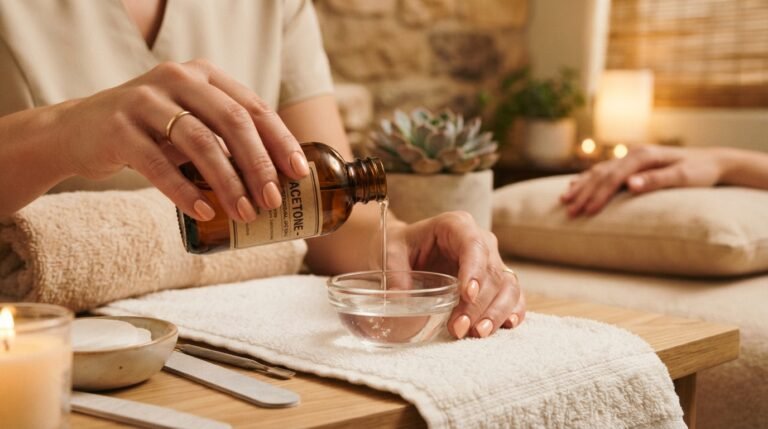
Problems only arise when the product is picked or peeled off at home rather than soaked away, or when the nail is over filed during application or removal. Peeling gel off can strip layers from the natural nail plate, leaving it thin, weak, and prone to breaking. This is not a flaw of the product itself, it is almost always a result of incorrect removal.
If you want to keep your natural nails healthy long term, the simple rule is this: always have your set removed at a salon or with proper soak off products, never peel it away yourself. With correct care, many clients find their nails grow stronger over time rather than becoming damaged.
For at home aftercare between visits, a good cuticle oil and gentle nail file can make a real difference in keeping the surrounding skin and nail edges healthy. A well reviewed option can be found here: Cuticle Oil on Amazon.
How Much Does BIAB Cost?
Pricing varies depending on your salon, location, and the technician’s experience level, but a standard full set typically falls somewhere between twenty five and forty five pounds. Infills, which are usually needed every two to three weeks, tend to cost slightly less than a full new set since they involve maintaining existing product rather than a complete application.
A few factors can affect the final price. Longer nail length, added nail art, French tips, or extra strengthening layers for very weak nails can all push the cost slightly higher. Salons in busier or more central locations may also charge a bit more than smaller neighbourhood studios, though this does not always reflect a difference in quality.
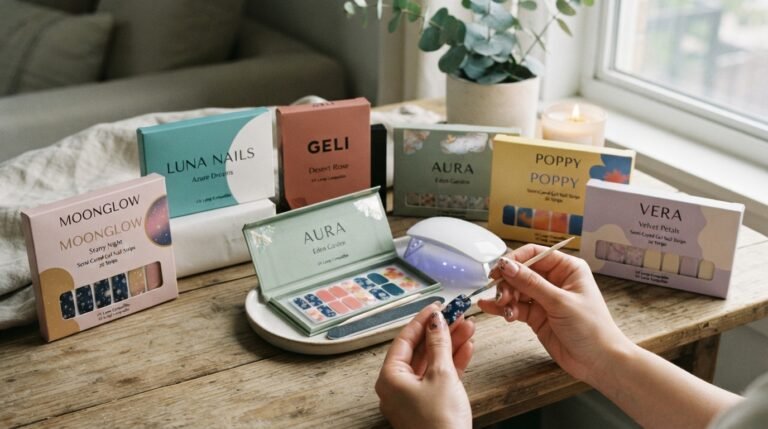
For those who prefer maintaining their own nails between salon visits, at home builder gel kits are available and have grown popular for touch ups. If you are curious about trying a starter kit, you can browse a well rated option here: Builder Gel Kit on Amazon.