What Are BIAB Nails? A Complete Beginner’s Guide to Builder in a Bottle
What Are BIAB Nails?
If you love having neat, glossy nails but regular polish chips too quickly, you may have already heard people talking about BIAB nails. The name sounds a little technical, but the idea is actually quite simple.
BIAB stands for Builder in a Bottle. It is a type of builder gel that is applied over the natural nail to create a stronger, more durable surface while still keeping the nails looking fairly natural. Unlike very thick artificial nails, a BIAB manicure can give you that clean, polished appearance without making your nails look overly bulky.
In simple words, think of BIAB nails as a protective layer that sits over your natural nails. It can help reduce everyday breakage and give your nails a smooth, glossy finish.
The term BIAB is also strongly associated with The GelBottle’s BIAB system, although other nail brands now offer their own builder-in-a-bottle products.
So, What Does BIAB Actually Do?
A BIAB manicure uses a thicker gel than ordinary gel polish. The product is designed to add structure and strength to the natural nail.
It can be especially appealing if your nails:
- Break easily
- Peel or split
- Struggle to grow past a certain length
- Feel thin after repeated manicures
- Need extra support without a dramatic acrylic look
According to nail professionals, BIAB can act like a protective overlay over the natural nail. It can make the surface more resistant to everyday knocks, although it does not permanently change the natural structure of your nails.
One important thing to understand is that BIAB is not a magical nail treatment. Your natural nails can still become damaged by poor preparation, aggressive filing, picking, or incorrect removal. In fact, proper application and removal are just as important as the product itself.
Why Have BIAB Nails Become So Popular?
There is a reason BIAB has become such a popular choice in modern nail salons.
Imagine this: you finally grow your nails to the length you want. They look beautiful for a few days, and then one catches on your sweater and snaps. Frustrating, right?
That is exactly the kind of problem BIAB is designed to help with.
Because the builder gel creates a structured layer over the nail, it can provide additional support. The result is usually a manicure that feels stronger than ordinary polish while maintaining a more natural appearance than some traditional enhancements.
Beauty publications have also highlighted BIAB for its durability and natural-looking finish. Allure’s guide to BIAB nails describes it as a durable overlay that can help people grow their natural nails.
The Natural-Nail Look
One of the biggest attractions of BIAB nails is their appearance.
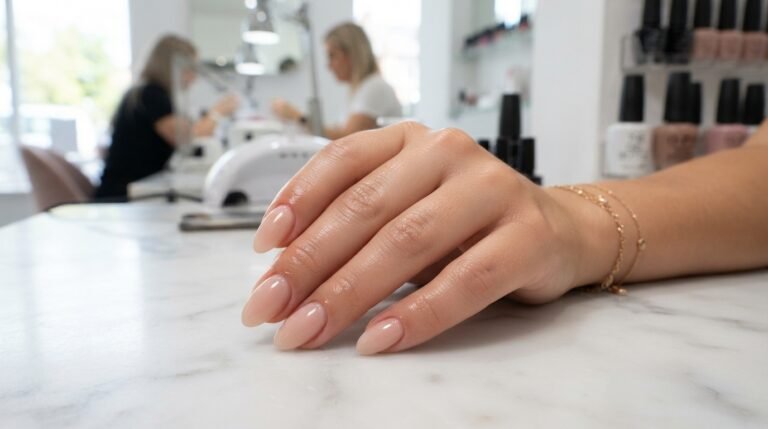
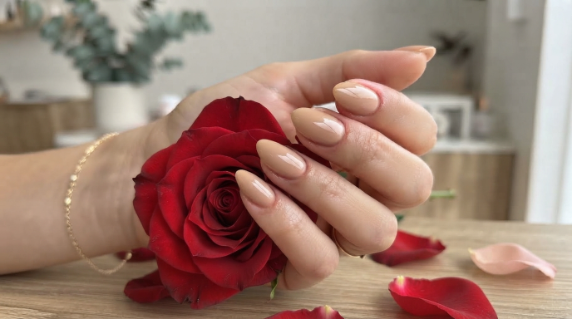
Many BIAB products come in soft pinks, nudes, milky whites, and neutral shades. These colors can give the nails a clean, “your nails but better” appearance.
Of course, you do not have to keep things simple.
You can also add:
- French tips
- Chrome powder
- Glitter
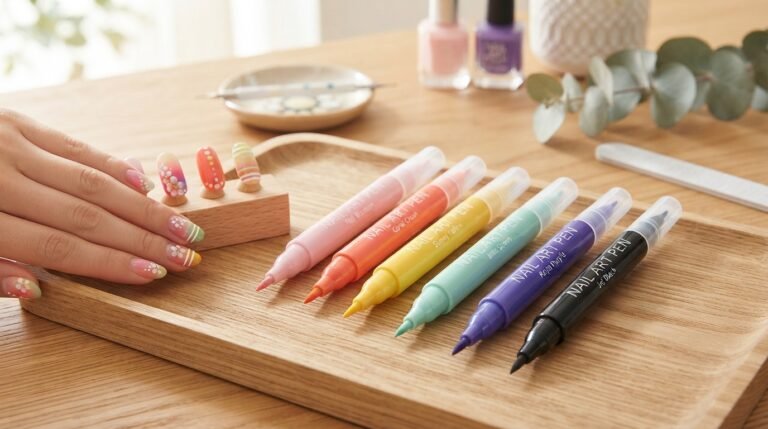
- Nail art
- Floral designs
- Cat-eye effects
- Rhinestones
- Seasonal colors
- Gel polish
- Ombre designs
So, while the classic BIAB look is often minimal and elegant, there is plenty of room for creativity.
BIAB Nails vs Gel Nails
At first glance, BIAB nails and gel manicures can look almost identical. Both are cured under a UV or LED nail lamp, and both can provide a shiny, long-lasting finish.
The main difference is the structure of the product.
Traditional gel polish is primarily used to add color and shine. BIAB, on the other hand, is a thicker builder product designed to create structure and reinforcement.
| Feature | BIAB Nails | Regular Gel Polish |
|---|---|---|
| Main purpose | Strength and structure | Color and shine |
| Consistency | Thicker | Usually thinner |
| Natural nail overlay | Yes | Yes |
| Can support nail growth | Can help protect against breakage | Less structural support |
| Finish | Natural to glossy | Glossy |
| Nail art | Yes | Yes |
| Extensions | Some systems allow them | Usually needs another enhancement system |
Neither option is automatically better for everyone. Your choice depends on your nail condition, lifestyle, desired look, and the technique used by your nail technician.
BIAB Nails vs Acrylic Nails
Another common question is whether BIAB is the same as acrylic.
It is not.
Acrylic nails are created using a liquid monomer and powder polymer system. BIAB is a gel-based product that is cured using a UV or LED lamp.
Acrylics are often chosen when someone wants significant length or dramatic extensions. BIAB is commonly chosen by people who want to strengthen and protect their natural nails while keeping the result relatively lightweight and natural-looking.
That does not mean BIAB cannot be used with extensions. Certain BIAB systems can be used for extensions, but the exact method depends on the product and nail technician.
For someone who says, “I just want my natural nails to stop breaking,” BIAB may be worth discussing with a qualified nail professional.
What Are the Main Benefits of BIAB Nails?
There are several reasons people choose a BIAB manicure.
1. They Can Add Strength
The builder gel creates a structured coating over the natural nail. This can help reduce everyday breakage and splitting.
That can be particularly useful if you are trying to grow your natural nails.
2. They Look Natural
A well-applied BIAB manicure does not have to look thick or artificial.
Soft nude and pink shades are especially popular because they blend beautifully with the natural nail.
3. They Can Be Long-Lasting
A properly applied BIAB manicure can be very durable. However, how long it lasts depends on the product, application, nail growth, lifestyle, and aftercare.
For example, someone who spends hours washing dishes every day may experience different wear from someone who works at a desk.
4. They Can Create a Smooth Surface
Because BIAB is thicker than regular gel polish, it can help create a more even-looking nail surface.
This is one reason it is popular for nails that have minor surface imperfections.
5. You Can Keep Your Natural Nails
Unlike some enhancement styles where the focus is dramatic length, many BIAB manicures are designed around the natural nail.
This makes them appealing to people who want to grow their own nails rather than constantly wearing long extensions.
6. They Work With Nail Art
Once your BIAB foundation is finished, you can create almost any manicure style you like.
A simple nude BIAB manicure can become a French manicure, chrome manicure, glitter manicure, or colorful seasonal design.
A Quick Story: Why People Fall in Love With BIAB
Let’s say Sarah has always had short nails.
Every time she tried to grow them, one or two nails would break. She tried regular polish, strengthening treatments, and even stopped doing manicures for a while.
Eventually, she tried a BIAB overlay.
Instead of expecting her nails to become instantly perfect, she treated the manicure as a protective layer while allowing her natural nails to grow underneath.
After several appointments, she noticed that she could maintain the length she wanted without constantly losing one nail to a random break.
That is the appeal of BIAB for many people. It is not about creating overnight miracles. It is about giving the natural nail some extra support while keeping the manicure attractive.
How Are BIAB Nails Applied? Step-by-Step Guide
If you are considering BIAB for the first time, understanding the process can make your salon appointment much less confusing.
Step 1: Nail Preparation
The first step is proper nail preparation.
The nail technician normally cleans the nails, shapes the free edge, prepares the cuticle area, and removes anything that could interfere with product adhesion.
This stage is extremely important.
A beautiful BIAB color cannot compensate for poor preparation.
Professional application guidance from The GelBottle explains that preparation includes cleansing, cuticle preparation, gentle buffing, and shaping the nail before applying builder gel.
Step 2: Apply a Thin Layer
Next, a thin layer of BIAB is applied to the nail.
The purpose is to create a smooth foundation and begin building the structure.
The gel should not be allowed to flood onto the surrounding skin.
Step 3: Build the Structure
This is where BIAB becomes different from ordinary gel polish.
The technician applies enough product to create the appropriate structure, often building an apex around the stress area of the nail.
The apex is essentially the slightly raised area that gives the nail strength and helps distribute pressure.
A good nail technician will make this structure look smooth rather than bulky.
Step 4: Cure Under a Nail Lamp
The nail is then placed under a compatible UV or LED lamp.
Curing times vary depending on the specific product and lamp, so it is important to follow the manufacturer’s instructions rather than guessing.
The GelBottle, for example, provides specific curing instructions in its professional application guidance.
Step 5: Add Another Layer if Needed
Depending on the nail and the desired structure, another layer may be applied.
The goal is not to make the nail as thick as possible.
Instead, the technician should create an appropriate balance of strength, shape, and natural appearance.
Step 6: Refine the Shape
After curing, the technician may refine the surface and shape if necessary.
This helps create a smooth, clean finish.
Step 7: Add Color or Nail Art
Now comes the fun part.
You can leave the BIAB in its natural nude or pink shade, or add gel polish, French tips, chrome, glitter, or nail art.
Step 8: Apply Top Coat
Finally, a compatible top coat is applied to seal the manicure and create the desired finish.
You can choose glossy, matte, or another specialty finish depending on your design.
Can You Do BIAB Nails at Home?
Technically, BIAB products are available for different levels of users depending on the brand and region. However, professional BIAB application requires proper knowledge of nail preparation, product placement, curing, and removal.
This is important because uncured or improperly cured gel products can increase the risk of skin irritation or allergic reactions.
For beginners, a professional nail technician is usually the safer choice.
If you do purchase a BIAB product for home use, always read the manufacturer’s instructions carefully and use the correct lamp recommended for that system.
Do not simply buy a random lamp and assume that every builder gel will cure properly under it.
How to Choose the Right BIAB Nail Color
Choosing a BIAB shade is surprisingly fun because the right color can completely change the appearance of your hands.
For a Natural Look
Try:
- Sheer pink
- Milky white
- Soft nude
- Beige
- Peach
- Blush pink
For a Classic Look
Try:
- French pink
- Creamy nude
- Soft rose
- Neutral beige
For Something More Noticeable
Try:
- Red
- Burgundy
- Chocolate brown
- Deep plum
- Emerald
- Black
For a Trendy Finish
You can combine your BIAB base with:
- Chrome
- Pearl powder
- Cat-eye gel
- Glitter
- Gold accents
- Minimal nail art
The best color is ultimately the one that makes you want to look at your hands all day.
How Long Do BIAB Nails Last?
The lifespan of BIAB varies from person to person.
Factors include:
- Nail growth
- Product used
- Application technique
- Daily activities
- Nail length
- Aftercare
- Exposure to water and chemicals
Many people return to the salon as their nails grow out rather than waiting until the entire product becomes detached.
Regular maintenance is important because the natural nail continues growing, changing the balance and structure of the manicure.
How to Look After Your BIAB Nails
Getting the manicure is only half the job. Your everyday habits matter too.
Keep Your Cuticles Moisturized
Use a good cuticle oil regularly.
Dry cuticles can make your manicure look less polished, even when the BIAB itself is still perfect.
Wear Gloves for Household Chores
If you regularly wash dishes or use cleaning chemicals, wear gloves.
Repeated exposure to water and household chemicals can be tough on both nails and skin.
Do Not Use Your Nails as Tools
Avoid opening cans, scraping labels, or picking at things with your nails.
Even strong BIAB nails have limits.
Never Pick or Peel the Product
This is one of the biggest mistakes you can make.
If BIAB begins lifting, do not pull it off yourself. Picking can remove layers of the natural nail along with the product.
Instead, arrange proper removal or maintenance with a qualified nail technician.
How Are BIAB Nails Removed?
Correct removal is extremely important.
Depending on the specific BIAB system, removal may involve filing down the top layer and soaking the remaining product with acetone, while some professional systems may use an e-file technique.
The exact removal process depends on the product.
The GelBottle’s official BIAB removal guidance specifically warns against forcing product off the natural nail because aggressive removal can contribute to peeling or thinning.
A professional removal generally involves:
- Reducing the top layer.
- Allowing the appropriate product to soften.
- Gently removing the softened material.
- Avoiding force.
- Finishing with nail and cuticle care.
If the product is still hard, it should not simply be scraped or pulled away.
Are BIAB Nails Safe?
For most people, properly applied and properly removed nail enhancements can be part of a normal beauty routine. However, gel products can cause skin irritation or allergic reactions in some people, particularly if uncured product touches the skin or if the system is not properly cured.
Therefore, professional application, correct curing, and avoiding skin contact are important.
If you already know you have an allergy to a particular nail-product ingredient, tell your nail technician before your appointment and check the complete ingredient information for the products being used.
Also remember that “BIAB” is not one single universal formula. Different brands can have different ingredients and instructions.
Who Should Try BIAB Nails?
BIAB may be a good option if you:
- Want to grow your natural nails
- Have nails that break easily
- Prefer a natural-looking manicure
- Want more structure than regular gel polish
- Like nude or minimalist nails
- Want a strong foundation for nail art
- Prefer a shorter natural nail style
- Want a glossy, salon-finished look
It may not be the right choice if you are looking specifically for extremely long, dramatic extensions or if you have an existing nail or skin condition that needs professional medical advice.
How Much Do BIAB Nails Cost?
The price depends heavily on your location, salon, nail technician, product brand, nail length, and design.
A simple BIAB overlay will usually cost less than a BIAB manicure with extensions, intricate nail art, chrome, or other decorative techniques.
Rather than choosing the cheapest salon, look for a nail technician who understands proper nail preparation, application, curing, infilling, and removal.
A good manicure is not just about the color.
The technique matters.
Is BIAB Worth Buying?
If your main goal is stronger-looking natural nails with a polished finish, BIAB can be a worthwhile choice.
The biggest advantage is versatility. You can wear it on its own for a clean everyday manicure, use it as a foundation for gel color, or combine it with nail art and extensions depending on the product system.
However, buy from a reputable brand and make sure you understand the application requirements before using it.
For professional users, choosing a builder gel with clear application instructions, compatible curing recommendations, and reliable product information can make the process much easier.
For home users, professional application may be the better option if you are completely new to builder gels.
Final Thoughts: Are BIAB Nails Right for You?
So, what are BIAB nails?
They are essentially natural nails enhanced with Builder in a Bottle, a structured gel designed to provide additional strength and a smooth, polished appearance.
They sit somewhere between ordinary gel polish and more substantial nail enhancement systems. They can be natural and understated, or they can become the foundation for beautiful nail art.
The biggest reason people love BIAB is simple: it combines strength with a natural-looking finish.
If your nails constantly break, you are trying to grow them, or you simply want a manicure that feels more supportive than regular polish, BIAB is certainly worth discussing with a professional nail technician.
Just remember that the product alone does not guarantee healthy nails. Proper preparation, correct curing, regular maintenance, gentle removal, and everyday nail care all matter.
And perhaps that is the best way to think about BIAB: it is not about hiding your natural nails. It is about giving them a little extra support while allowing you to enjoy beautiful, glossy nails at the same time.


Frequently Asked Questions About BIAB Nails
What does BIAB stand for?
BIAB stands for Builder in a Bottle. It is a builder-gel system designed to add structure and strength to the natural nail.
Are BIAB nails the same as gel nails?
Not exactly. Both are gel-based systems, but BIAB is thicker and more focused on building structure, while traditional gel polish is mainly used for color and shine.
Can BIAB help natural nails grow?
BIAB does not make your nails biologically grow faster. Instead, the protective overlay can help reduce breakage, which may make it easier for you to retain length as your natural nails grow.
Can you put gel polish over BIAB?
Yes. Many BIAB systems can be used underneath gel polish, provided the products are compatible and the manufacturer’s instructions are followed.
Can you have extensions with BIAB?
Some BIAB products can be used with extensions or forms. However, not every builder gel is designed for every extension technique, so check the product instructions or ask a qualified nail technician.
How often should BIAB nails be maintained?
Maintenance depends on your nail growth and the product used. Your nail technician can recommend the appropriate appointment schedule based on how quickly your nails grow and how well the product is wearing.
Can BIAB damage natural nails?
The product itself is not automatically damaging, but poor preparation, over-filing, incorrect curing, picking, or forceful removal can damage natural nails.
Can I remove BIAB myself?
Some BIAB systems are designed to soak off, while removal methods vary by product. Always follow the manufacturer’s instructions. If you are unsure, professional removal is the safer option.
What is the best BIAB color?
There is no single best shade. Milky pink, nude, sheer pink, beige, and soft peach are excellent choices if you want a natural appearance, while red, burgundy, chocolate, and darker shades create a bolder look.
A Simple BIAB Nails Routine for Beginners
If you are trying BIAB for the first time, keep your routine simple:
Step 1: Choose a reputable salon or qualified nail technician.
Step 2: Tell your technician whether your nails are weak, peeling, or prone to breaking.
Step 3: Choose a natural BIAB shade if you want a low-maintenance look.
Step 4: Allow the technician to prepare your nails properly.
Step 5: Make sure the builder gel is applied without flooding the surrounding skin.
Step 6: Follow the correct curing instructions for the specific product.
Step 7: Keep your nails protected during household chores.
Step 8: Apply cuticle oil regularly.
Step 9: Never peel or pick off lifting product.
Step 10: Have the BIAB professionally maintained or removed when necessary.
That simple routine can make a big difference in how your manicure looks and how comfortably you can wear it.
The Bottom Line
If you have been wondering what are BIAB nails, the easiest answer is this:
BIAB nails are natural nails reinforced with a builder gel that comes in a bottle.
They are popular because they offer a combination of strength, flexibility, durability, and a natural-looking finish.
For someone tired of watching their nails break just when they finally reach the perfect length, that combination can be very appealing.
And if you love clean, glossy nails but still want the freedom to add French tips, chrome, glitter, or nail art, BIAB gives you a flexible foundation to work with.
Just choose your product carefully, use it correctly, and never underestimate the importance of professional application and gentle removal.


The article above is written as a ready-to-publish Markdown draft. The product/application details are grounded in professional guidance from The GelBottle and independent beauty coverage; specific formulas and curing/removal instructions can vary by brand. (thegelbottle.com)