
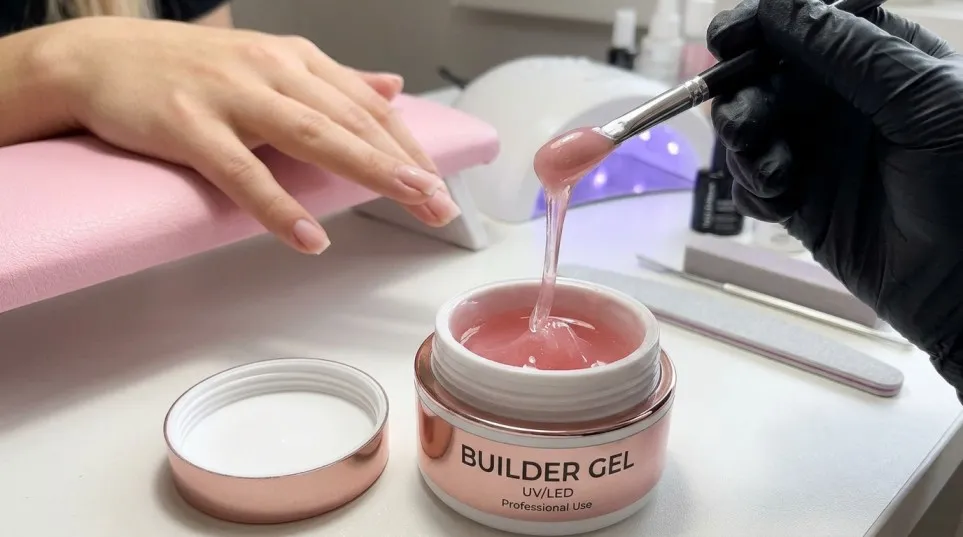
What Is Builder Gel for Nails? Benefits, Types, Application & Complete Guide
Builder gel has become a popular choice for people who want stronger, healthier-looking nails without always relying on acrylic extensions. It helps add structure to natural nails, supports nail growth and creates a smooth, long-lasting manicure.
If your natural nails are thin, weak, bend easily or keep breaking, builder gel may be worth considering. However, choosing the right type and understanding how to apply and remove it correctly are important for getting good results.
In this guide, we will explain what builder gel is for nails, how it works, its different types, how it compares with BIAB and acrylics, and how to use it safely. We will also explore some useful products available in the UK so you can make a more confident buying decision.
What Is Builder Gel for Nails?
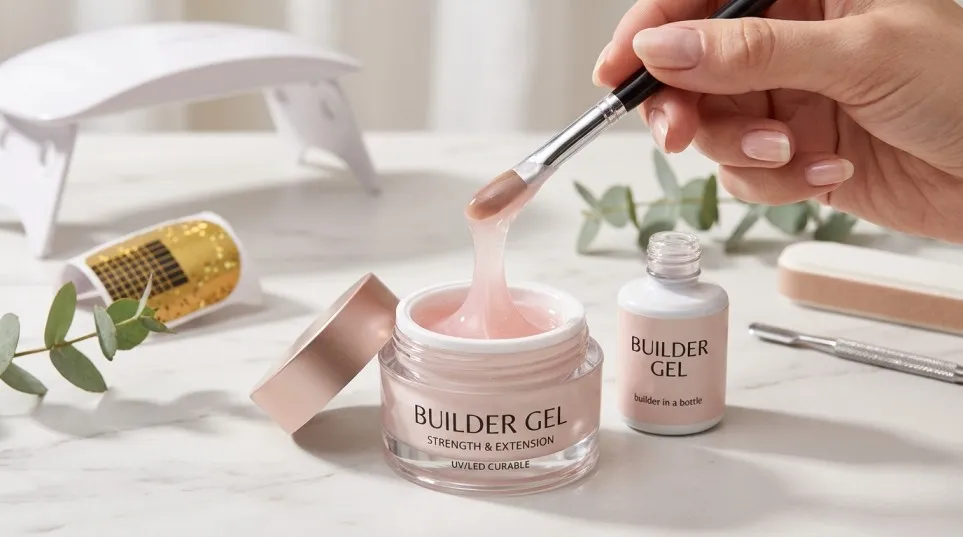
Builder gel for nails is a thicker type of nail gel designed to add strength, thickness and structure to natural nails. Unlike ordinary gel polish, which mainly adds colour and shine, builder gel creates a stronger layer over the nail.
It is commonly used to:
- Strengthen weak or thin natural nails.
- Add extra thickness to prevent everyday bending.
- Create a smooth and even nail surface.
- Support natural nail growth.
- Build short nail extensions.
- Create a neat, salon-quality manicure.
Builder gel is available in different formulas, including products that come in bottles and thicker gels supplied in pots. Some formulas are designed mainly for natural nail overlays, while others are suitable for sculpting extensions.
One of its biggest advantages is flexibility. You can use it to create a natural-looking manicure or build a more structured nail shape.
For example, imagine someone whose nails break whenever they grow beyond their fingertips. A suitable builder gel overlay can provide extra support, helping the nails maintain their length while they grow.
However, builder gel does not repair damaged nail tissue or make nails permanently stronger. Its main purpose is to provide an external protective structure.
How Does Builder Gel Work?
Builder gel contains specialised ingredients that harden when exposed to the correct UV or LED nail lamp.
The process is called curing. During curing, light activates ingredients called photoinitiators, which help the gel form a solid polymer structure.
Before curing, builder gel has a thick, workable consistency. This allows a nail technician to spread it across the nail and create the desired shape.
Once properly cured, it becomes a firm layer that adds support to the natural nail.
Here is how the process works:
- The natural nail is cleaned and prepared.
- A suitable base layer is applied if the product instructions require it.
- Builder gel is placed over the nail.
- The gel is shaped to create an even surface and suitable structure.
- The nail is cured under a compatible UV or LED lamp.
- A top coat or gel colour is applied if required.
The result is a stronger-looking nail with a smooth finish.
It is important to remember that curing time depends on the product formulation and the recommended lamp. Never assume that every builder gel can be cured using the same lamp or timing.
Different Types of Builder Gel for Nails
Not all builder gels work in exactly the same way. Choosing the correct formula can make a big difference to your manicure.
Let’s look at the main types.
1. Builder Gel in a Bottle (BIAB-Style Gel)
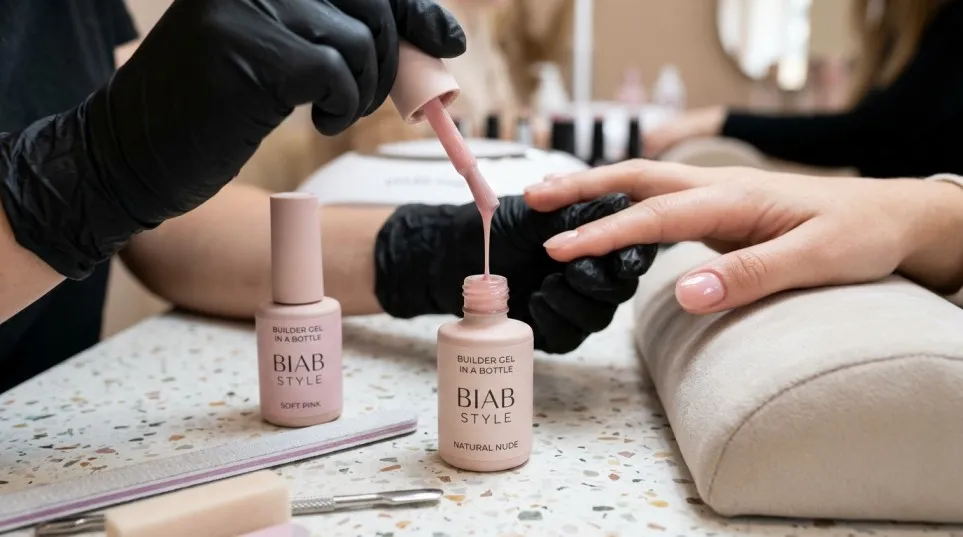
<PRIVATE_PERSON>Builder gel in a bottle is one of the most convenient options for people who prefer a simple application process.
It comes in a bottle with a built-in brush, making it easier to apply without needing a separate gel brush.
It is commonly used for:
- Natural nail overlays.
- Short and medium-length nails.
- Strengthening thin natural nails.
- Creating a smooth manicure.
- Nude and natural-looking nail designs.
Many bottle formulas have a self-levelling consistency, which means they can settle into a smoother surface when applied correctly.
Best for: Natural nail overlays and people who prefer a convenient brush-on application.
2. Hard Builder Gel
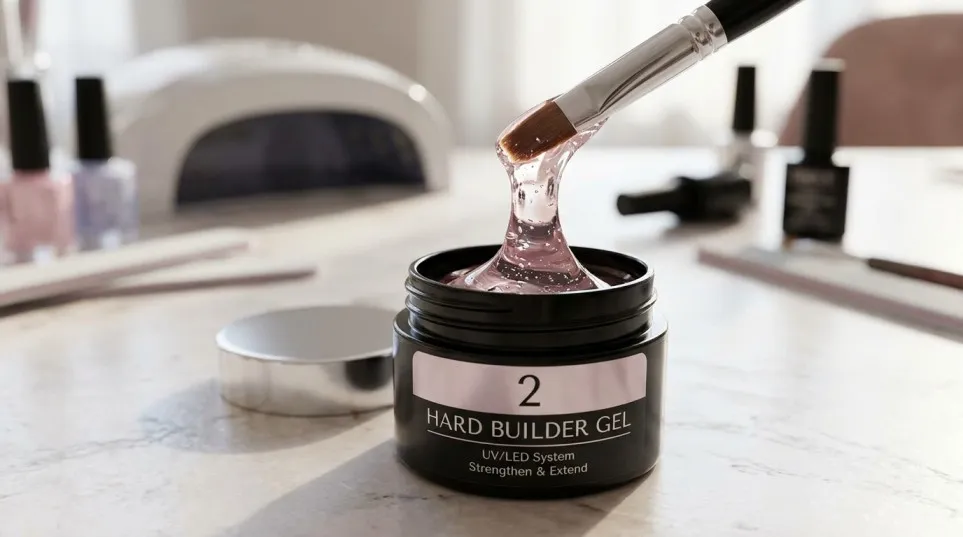
Hard builder gel is a stronger, more rigid formula commonly supplied in a pot.
It is suitable for creating structured nail enhancements and extensions. Nail technicians often use it with nail forms or tips to create additional length.
Its main features include:
- Strong nail structure.
- Good support for extensions.
- A thicker consistency.
- More control when sculpting.
- Suitability for professional nail enhancements.
Some hard builder gels cannot be soaked off with acetone and need to be carefully filed down.
Best for: Professional nail extensions and clients who need a more rigid nail structure.
3. Soft Builder Gel
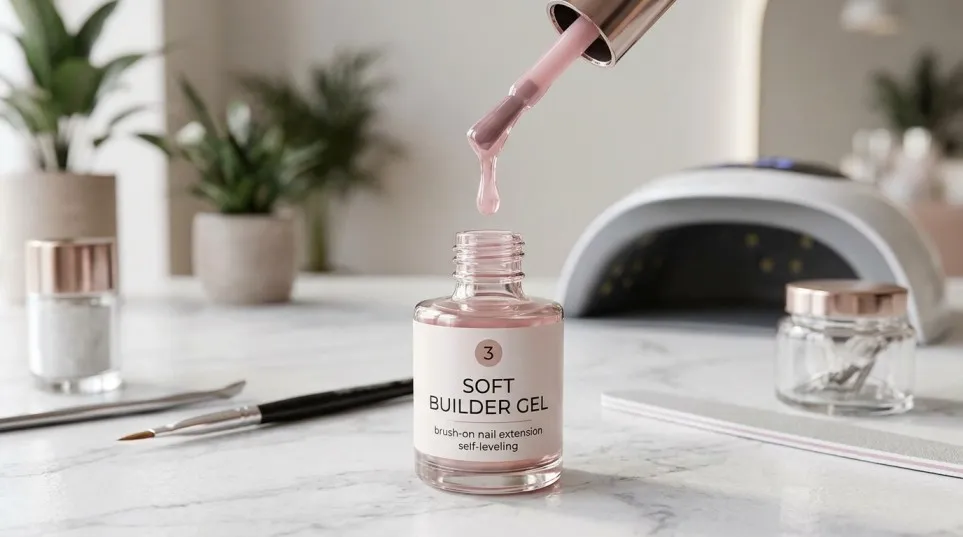
Soft builder gel is generally more flexible than traditional hard gel. Many soft builder gel products are soak-off formulas, although removal instructions vary by brand.
It can be a suitable choice for natural nail overlays when the product is designed for that purpose.
Common benefits include:
- More flexibility.
- Convenient soak-off removal with compatible formulas.
- A natural-looking finish.
- Suitable options for shorter nails.
Best for: People looking for a flexible overlay and easier removal, provided the product is labelled as soak-off.
4. Clear Builder Gel
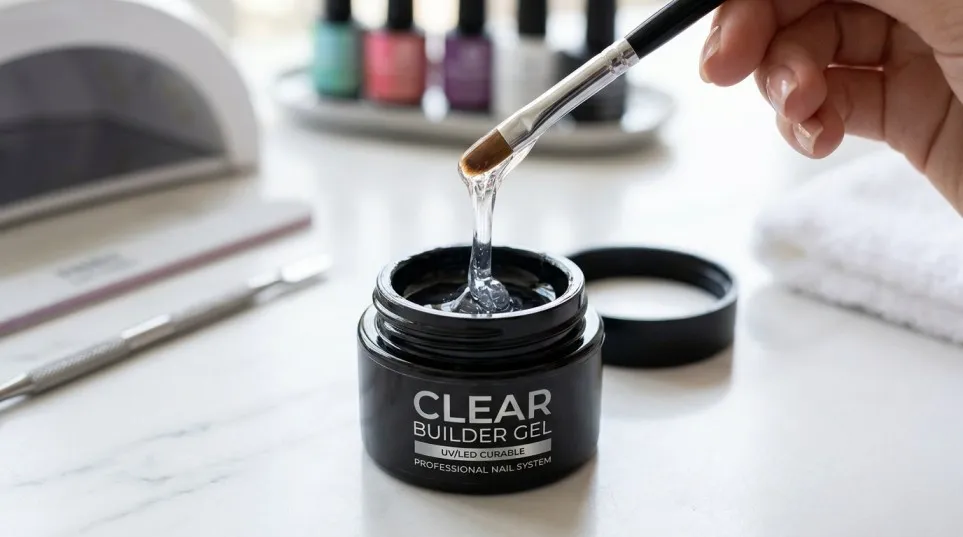
Clear builder gel is a popular choice for creating simple and clean manicures.
Because it has no strong colour, it allows the natural nail to remain visible underneath.
It can also be used as a base for gel polish or nail art when the manufacturer’s instructions allow it.
Best for: French manicures, natural nail overlays and transparent nail designs.
5. Coloured Builder Gel
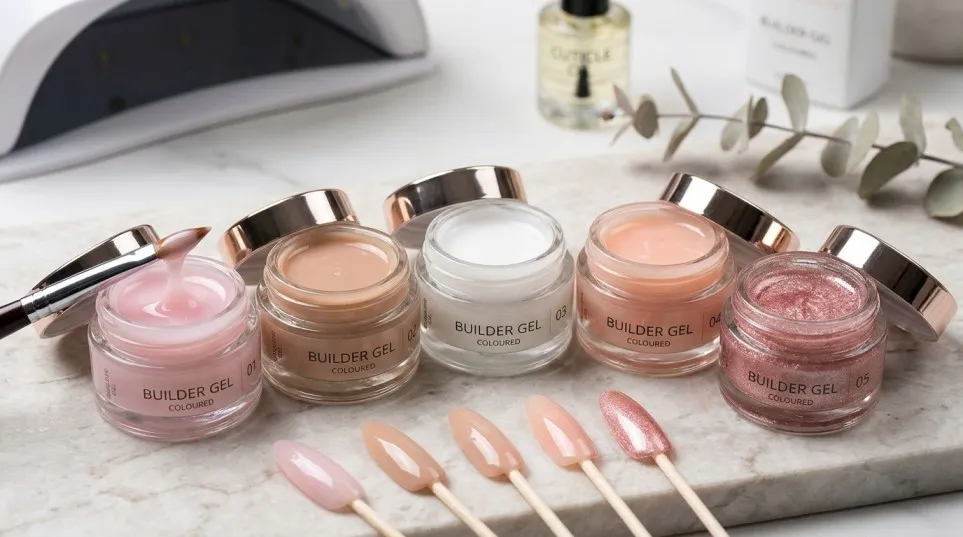
Coloured builder gel combines nail structure with attractive shades.
Popular options include:
- Nude pink.
- Milky white.
- Soft beige.
- Baby pink.
- Peach.
- Natural brown.
These shades are useful for people who want a polished manicure without applying several layers of colour.
Best for: Natural-looking manicures and simple everyday nail designs.
What Are the Benefits of Builder Gel?
There are several reasons why builder gel has become popular in nail salons.
1. Adds Strength to Natural Nails
One of the main reasons people choose builder gel for nails is the extra structure it provides.
Thin nails can bend during everyday activities, which may cause discomfort or breakage. A properly applied builder gel overlay can help support the nail and reduce everyday bending.
2. Helps Maintain Nail Length
Growing natural nails can be frustrating when the tips keep breaking.
Builder gel creates an additional layer over the nail, helping protect it from some everyday wear and tear.
With good nail care and careful removal, this can make it easier to maintain your preferred nail length.
3. Creates a Smooth Nail Surface
Natural nails do not always have a perfectly even surface.
Builder gel can help create a smoother appearance by filling minor surface irregularities and allowing the technician to build a balanced nail shape.
This is particularly useful for people who prefer a neat, professional-looking manicure.
4. Offers Natural-Looking Results
Acrylic extensions are often associated with a more noticeable enhancement. Builder gel, on the other hand, can create a softer and more natural-looking finish.
Nude, clear and milky pink shades are especially popular for everyday manicures.
5. Supports Different Nail Designs
Builder gel is not limited to plain manicures.
You can combine it with different nail colours and designs, including:
- French tips.
- Chrome nail designs.
- Glitter finishes.
- Minimalist nail art.
- Ombre effects.
- Nude BIAB-style manicures.
This makes it a useful product for people who enjoy changing their nail appearance.
6. Can Last for Several Weeks
A properly applied builder gel manicure can often last around two to three weeks, although some systems advertise longer wear.
Actual results depend on the formula, nail preparation, application technique, lifestyle and natural nail growth.
Regular maintenance is important, particularly when the natural nail grows and the product begins to move away from the cuticle area.
Builder Gel vs BIAB: Are They the Same?
This is one of the most common questions people ask when researching nail enhancements.
Builder gel and BIAB are closely related, but the names are not exactly interchangeable.
Builder gel is the general name for a category of nail enhancement products.
BIAB, which stands for Builder in a Bottle, is a specific product name and trademark associated with The GelBottle Inc.
In everyday salon conversations, people sometimes use BIAB to describe bottle-based builder gels from different brands. However, technically, not every builder gel is BIAB.
Here is a simple comparison:
| Feature | Builder Gel | BIAB |
|---|---|---|
| Meaning | General product category | Builder in a Bottle |
| Consistency | Varies by formula | Usually bottle-based |
| Packaging | Bottle or pot | Bottle |
| Main purpose | Strength and structure | Strength and structure |
| Extensions | Some formulas support extensions | Depends on the product |
| Removal | Depends on formula | Depends on formula |
The most important thing is to check the actual product instructions rather than relying only on the name.
Builder Gel vs Gel Polish
Although builder gel and gel polish both need a UV or LED lamp, they have different purposes.
Gel polish is mainly designed to provide colour and shine. Builder gel is designed to create additional structure and support.
| Feature | Builder Gel | Gel Polish |
|---|---|---|
| Main purpose | Strength and structure | Colour and shine |
| Consistency | Usually thicker | Usually thinner |
| Nail thickness | Adds structure | Adds little thickness |
| Extensions | Some formulas support them | Not designed for extensions |
| Application | May require shaping | Usually applied in thin coats |
| Removal | Depends on formula | Usually soak-off |
If your main goal is to add colour, gel polish may be enough. However, if you want extra structure for weak natural nails, builder gel may be more suitable.
Builder Gel vs Acrylic Nails
Builder gel and acrylic nails are both used to create nail enhancements, but they work differently.
Acrylic systems generally combine a liquid monomer with polymer powder to form a workable product. Builder gel uses a pre-formulated gel that hardens under a compatible UV or LED lamp.
Here are the main differences:
| Feature | Builder Gel | Acrylic Nails |
|---|---|---|
| Application | Gel product | Liquid and powder |
| Hardening | UV/LED curing | Chemical polymerisation |
| Consistency | Gel-like | Becomes workable paste |
| Finish | Can look natural | Can be natural or bold |
| Flexibility | Depends on formula | Generally more rigid |
| Removal | Depends on product | Usually requires filing and/or soaking |
Neither option is automatically better for everyone.
Your choice should depend on your preferred nail length, desired appearance, natural nail condition and the experience of your nail technician.
Builder Gel vs Polygel
Polygel is another popular product used for nail extensions.
Although it has similarities to builder gel, its consistency is usually much thicker and more putty-like.
Builder gel can often level itself across the nail, while polygel normally needs more manual shaping.
Polygel is commonly shaped with a brush and a suitable slip solution, whereas builder gel is applied using a brush or gel application tool.
If you prefer a smoother application for natural nail overlays, builder gel may be a convenient option. If you want more control when sculpting an extension, polygel may be worth considering.
How to Apply Builder Gel to Nails: Step-by-Step Guide
Applying builder gel correctly is important for achieving a neat result and reducing the risk of lifting or damage.
For beginners, professional training is strongly recommended because uncured gel can cause skin sensitisation.
The following explains the general salon process.
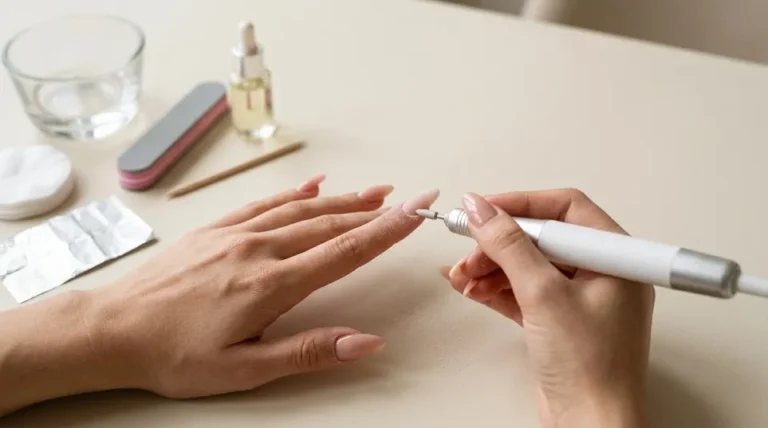
Step 1: Prepare Your Natural Nails
Start with clean, dry nails.
Remove any old nail polish or enhancement product using the appropriate removal method.
Next:
- Wash and dry your hands.
- Shape your nails with a suitable nail file.
- Gently prepare the nail surface as directed by the product manufacturer.
- Carefully push back the cuticles without damaging the surrounding skin.
- Remove dust and surface debris.
Avoid aggressive filing because excessive filing can thin and weaken the natural nail.
Step 2: Apply Nail Dehydrator or Primer if Required
Some builder gel systems require a nail dehydrator or primer before application.
These products help prepare the nail surface for better adhesion.
However, not every system requires both products.
Always follow the manufacturer’s recommended preparation routine.
Step 3: Apply the Base Layer
Some builder gels require a separate base coat, while others are designed to be applied directly after preparation.
Apply a thin layer according to the product instructions.
Keep the product away from your cuticles and surrounding skin.
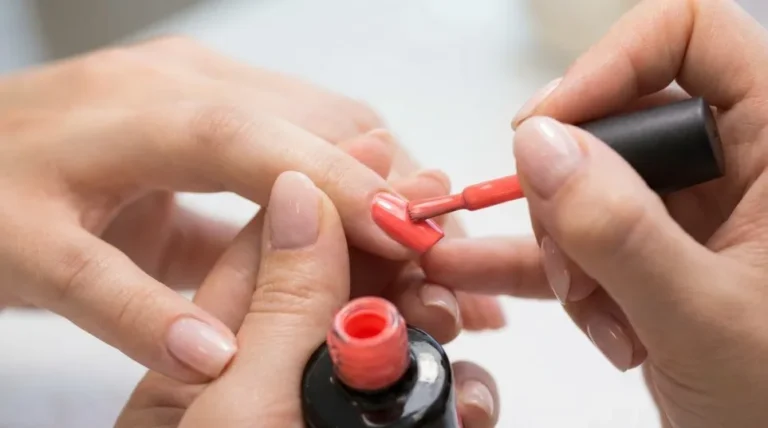
Step 4: Apply the Builder Gel
Take a suitable amount of builder gel and gently distribute it across the natural nail.
The aim is to create an even structure without making the nail unnecessarily thick.
Pay attention to the apex, which is the slightly raised area that helps distribute pressure across the nail.
Avoid flooding the cuticle or touching the skin.
Step 5: Cure Under a Compatible Nail Lamp
Place your hand under the UV or LED lamp according to the manufacturer’s instructions.
Use only the lamp recommended or confirmed as compatible with the gel system.
Do not guess the curing time. Incorrect curing can leave reactive ingredients in the product.
Step 6: Refine the Nail Shape if Needed
Some builder gel systems require filing after curing to create a smooth and balanced shape.
Use the appropriate nail file and avoid filing the natural nail underneath.
Remove any filing dust before continuing.
Step 7: Apply Gel Polish or Top Coat
If you want a coloured manicure, apply a compatible gel polish.
Alternatively, use a suitable top coat to give your builder gel a clean, glossy finish.
Cure each layer according to its manufacturer’s instructions.
Step 8: Finish and Maintain Your Nails
Check that the finished surface is smooth and that there is no product touching the skin.
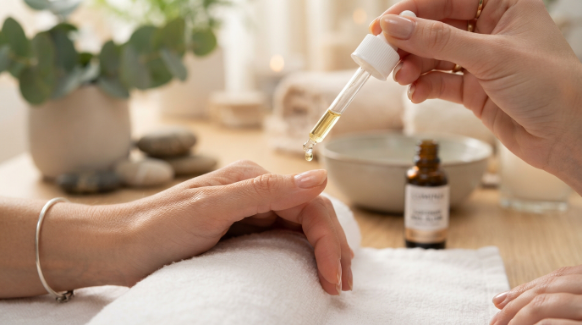
Apply cuticle oil around the nails if appropriate.
Your builder gel manicure is now complete.
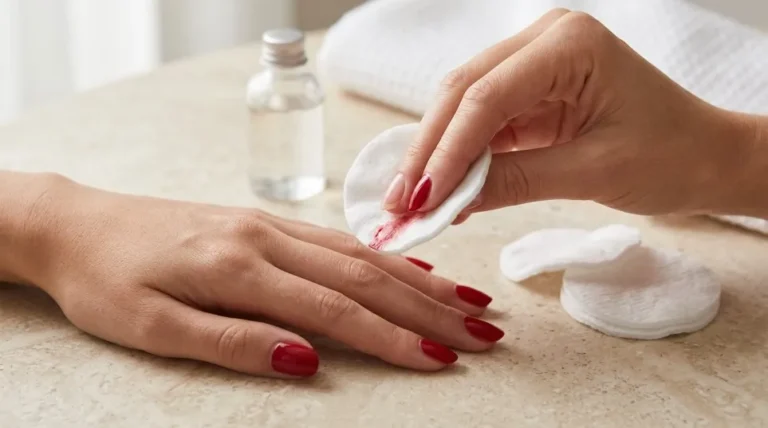
How to Remove Builder Gel Safely
Removal depends on whether your builder gel is a soft soak-off formula or a hard gel.
This is an important difference because using the wrong removal method can damage natural nails.
Removing Soak-Off Builder Gel
If your product is specifically labelled as soak-off:
- Gently file away the top coat or surface layer as directed.
- Use the recommended gel remover.
- Follow the manufacturer’s soaking instructions.
- Allow the product to soften.
- Remove loosened product gently.
- Never force or scrape firmly against the natural nail.
- Finish with suitable nail care.
Removing Hard Builder Gel
Traditional hard builder gel is generally not designed to dissolve in acetone.
It usually needs to be reduced carefully with professional filing techniques.
Because it can be easy to file through the enhancement and damage the natural nail, professional removal is the safer option for most people.
Important: Never peel, bite or pull builder gel off your nails. This can remove layers of the natural nail plate.
How Long Does Builder Gel Last?
Builder gel can commonly last around two to three weeks when applied correctly.
Some products may offer longer wear, but results are not guaranteed.
Several factors affect how long your manicure lasts:
- Natural nail condition.
- Correct nail preparation.
- Product quality.
- Application technique.
- Compatible curing equipment.
- Daily activities.
- Proper maintenance.
If your nails grow quickly, you may notice a visible gap near the cuticle before the product itself begins to wear out.
Regular professional maintenance can help keep the manicure looking neat.
Can Builder Gel Damage Your Natural Nails?
Builder gel does not automatically damage natural nails. However, poor application, incorrect curing and aggressive removal can cause problems.
Common causes of nail damage include:
- Excessive filing.
- Peeling off the enhancement.
- Scraping the natural nail.
- Incorrect removal techniques.
- Repeated application without proper nail assessment.
Another important concern is acrylate allergy.
Uncured gel products can cause allergic contact dermatitis if they touch the skin or are not properly cured. Symptoms can include itching, redness, swelling and blisters.
A HEMA-free label does not guarantee that a product is allergy-free because other acrylates may also cause reactions.
For safer use:
- Avoid skin contact with uncured gel.
- Use the correct lamp for the product.
- Follow the manufacturer’s curing instructions.
- Never apply gel to damaged or inflamed skin.
- Do not use professional-only products without appropriate training.
- Stop using the product if irritation develops and seek medical advice.
For further information, read the guidance from Eczema UK on nail allergies and UK Trading Standards nail safety guidance.
Who Should Use Builder Gel?
Builder gel may be suitable for people who:
- Have naturally thin or flexible nails.
- Want to maintain their natural nail length.
- Prefer a neat and natural-looking manicure.
- Want extra structure without choosing traditional acrylic extensions.
- Enjoy nude, pink or French manicure styles.
- Prefer a structured nail overlay.
However, it may not be suitable for everyone.
People with damaged nails, irritated skin or a known acrylate allergy should seek appropriate professional advice before using gel nail products.
If your natural nails are already healthy and strong, you may not need builder gel at all.
How to Choose the Best Builder Gel for Nails
With so many products available, choosing the right builder gel can feel confusing.
Rather than buying the cheapest bottle, consider these important features.
1. Choose the Correct Formula
First, decide what you need.
For natural nail overlays, look for a suitable bottle-based builder gel.
For sculpted extensions, consider a hard builder gel specifically designed for that purpose.
2. Check the Product Instructions
Look for clear information about:
- Application method.
- Recommended curing lamp.
- Curing time.
- Whether a base coat is required.
- Removal method.
- Professional-use restrictions.
3. Consider the Consistency
A self-levelling gel can make application easier, while a thicker formula may provide greater control when sculpting.
Choose a consistency that suits the intended application.
4. Check Ingredients and Safety Information
Read the ingredient list and product safety information.
Do not assume that HEMA-free automatically means allergy-safe.
If you have previously experienced a reaction to nail products, consult a qualified healthcare professional before choosing another gel system.
5. Read Customer Reviews Carefully
Reviews can help you understand the product’s consistency, application experience and packaging quality.
However, remember that individual results vary. A product that works well for one person may not suit another person’s nails.
Recommended Builder Gel Products to Explore in the UK
If you are considering buying builder gel, these are some products and brands worth researching.
1. Mylee Builder Gel
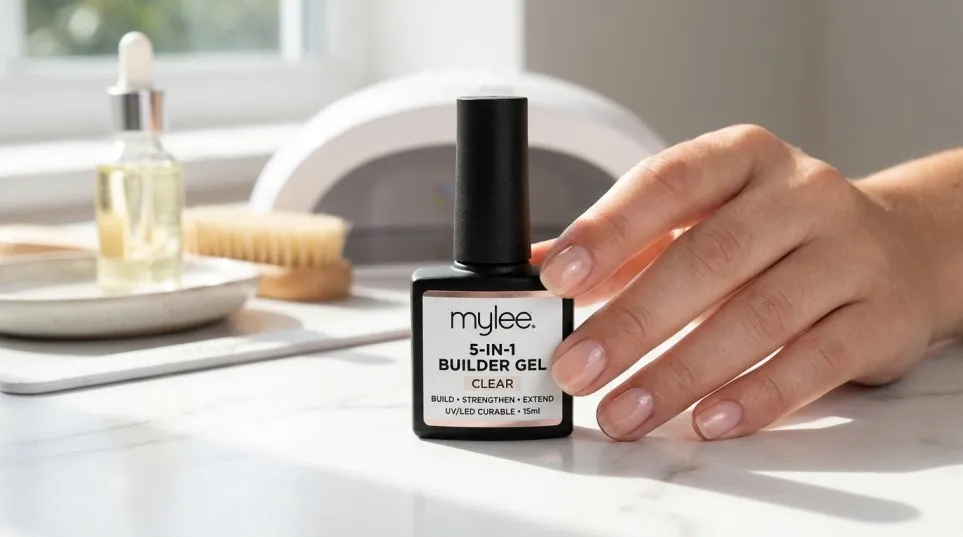
Mylee is a recognisable UK nail brand offering builder gel products in different shades.
Its products are worth considering if you want to explore bottle-based builder gels and natural-looking manicures.
Shop Mylee Builder Gel on Amazon UK
2. Modelones Builder Gel
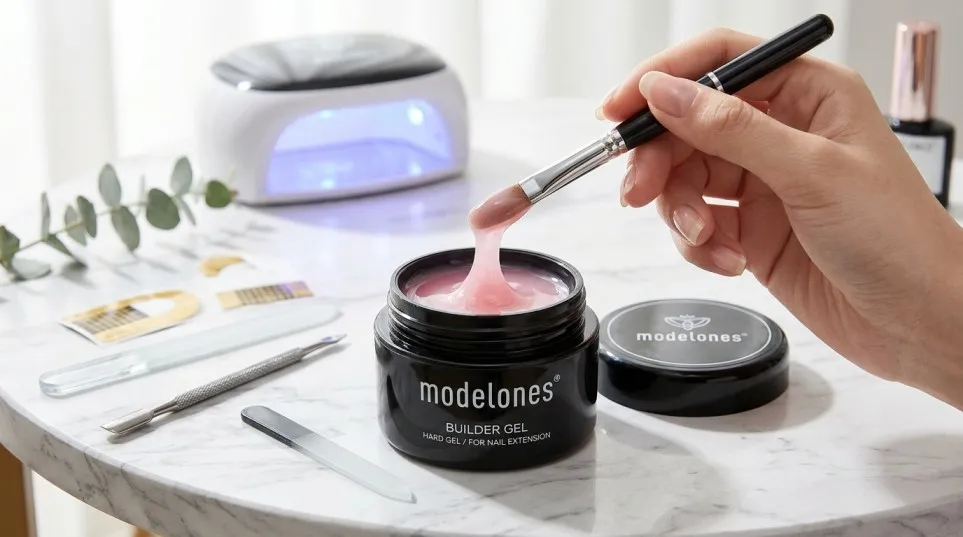
Modelones offers builder gel products in different colours and bottle-based formulas.
Some of its products are marketed as multi-purpose gels for nail strengthening and extensions.
Shop Modelones Builder Gel on Amazon UK
3. Beetles Builder Gel
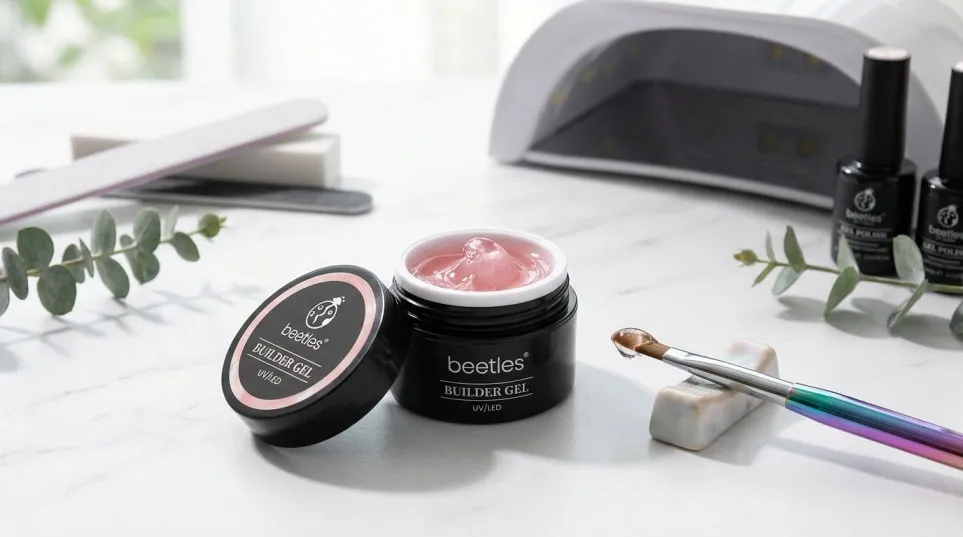
Beetles offers different gel nail products, including builder gel options.
It may be worth exploring if you want to compare shades and different builder gel formats.
Shop Beetles Builder Gel on Amazon UK
4. Saviland Builder Gel
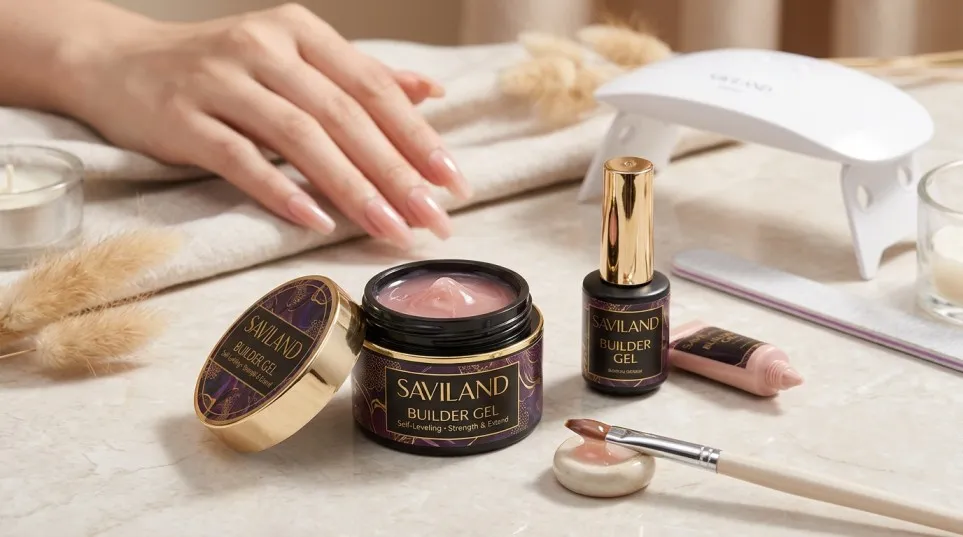
Saviland offers builder gel products in different sizes and colours, including options for nail extensions.
It is another brand to compare when researching products for structured nail enhancements.
Shop Saviland Builder Gel on Amazon UK
What Should You Buy?
Before purchasing, compare the following:
| Buying factor | What to check |
|---|---|
| Formula | Soft gel or hard gel |
| Application | Bottle or pot |
| Lamp | Compatible UV/LED lamp |
| Removal | Soak-off or file-off |
| Ingredients | Full ingredient and safety information |
| Reviews | Recent and verified customer feedback |
| Instructions | Clear application and curing guidance |
A well-chosen builder gel system is more useful than purchasing several random products that may not work together.
Always follow the manufacturer’s instructions and choose professional assistance when needed.
Common Builder Gel Mistakes to Avoid
Even a good-quality builder gel can produce poor results if it is used incorrectly.
Here are some mistakes worth avoiding.
Applying too much product: Thick layers may not cure properly. Apply the product as instructed.
Touching the skin: Uncured gel should never be allowed to contact the cuticle or surrounding skin.
Using the wrong lamp: A lamp that is not compatible with the gel may not cure it properly.
Skipping nail preparation: Poor preparation can contribute to lifting and reduced wear.
Peeling the product off: This can remove layers of your natural nail.
Ignoring product instructions: Different builder gels have different application and removal requirements.
Continuing despite irritation: Redness, itching or swelling should never be ignored.
Builder Gel Aftercare Tips
Good aftercare helps maintain the appearance of your manicure and supports healthy natural nails.
Follow these simple tips:
- Apply cuticle oil regularly to moisturise the surrounding skin.
- Avoid using your nails as tools to open containers.
- Wear protective gloves when cleaning or washing dishes.
- Do not pick at lifting builder gel.
- Arrange professional maintenance when required.
- Give damaged or irritated nails time to recover.
- Follow the correct removal process for your particular product.
Remember, healthy nail care is just as important as choosing an attractive gel colour.
Is Builder Gel Worth Buying?
For people who want additional nail structure, a natural-looking manicure or support for maintaining nail length, builder gel can be a worthwhile option.
It offers more structure than ordinary gel polish and comes in different formulas for natural overlays and extensions.
However, the best choice depends on your nails and the results you want.
If you are new to builder gel, start by researching a reputable product with clear application, curing and removal instructions. Avoid choosing a product based only on its price or marketing claims.
A suitable formula, compatible lamp and correct application technique are essential for getting the best experience.
Final Thoughts
Builder gel for nails is a useful option for anyone interested in stronger-looking, more structured and attractive nails.
Whether you prefer a simple nude manicure, a French tip design or a little extra support for your natural nails, there are different builder gel formulas to explore.
The key is to choose the right product for your needs and understand how to apply and remove it correctly.
With proper preparation, compatible curing equipment and good aftercare, builder gel can help you enjoy a neat and long-lasting manicure while maintaining a natural appearance.
Frequently Asked Questions About Builder Gel for Nails
Related BIAB Guides
- Builder Gel Nails Near Me: 7 Things to Know Before Booking
- Builders Gel Nails Near Me: Your Complete Guide to Beautiful, Strong and Natural-Looking Nails
- Art Nail Gel: Complete Beginner’s Guide to Beautiful, Creative and Long-Lasting Nail Art
- White Gel Nail Polish: 10 Beautiful Ideas, Application Tips & Best Products for a Perfect Manicure
Builder gel is used to add strength, thickness and structure to natural nails. It can also be used to create certain nail extensions, depending on the formula.
No. Builder gel is a general category of nail enhancement products, while BIAB stands for Builder in a Bottle and is a specific product name associated with The GelBottle Inc. Many people use the terms interchangeably, but they are not technically identical.
Builder gel is better suited to adding structure and thickness, while gel polish is mainly designed to add colour and shine. The right option depends on your manicure goals.
Builder gel can provide an additional protective structure over weak or flexible nails. However, it does not permanently repair or strengthen the natural nail itself.
A builder gel manicure commonly lasts around two to three weeks, depending on the formula, preparation, application and aftercare.
Some builder gel products are marketed for home use. However, correct preparation, application and curing require care. Beginners should consider professional training and must follow the product’s safety instructions.
It can contribute to damage if applied, filed or removed incorrectly. Excessive filing and peeling off the product are common causes of natural nail damage.
It can be suitable for regular manicures when applied and maintained correctly. However, repeated application and removal should be managed carefully to protect natural nails.
2 Comments